



Cutting Carbon in Semi-Fab: The Truth About Thermal Control
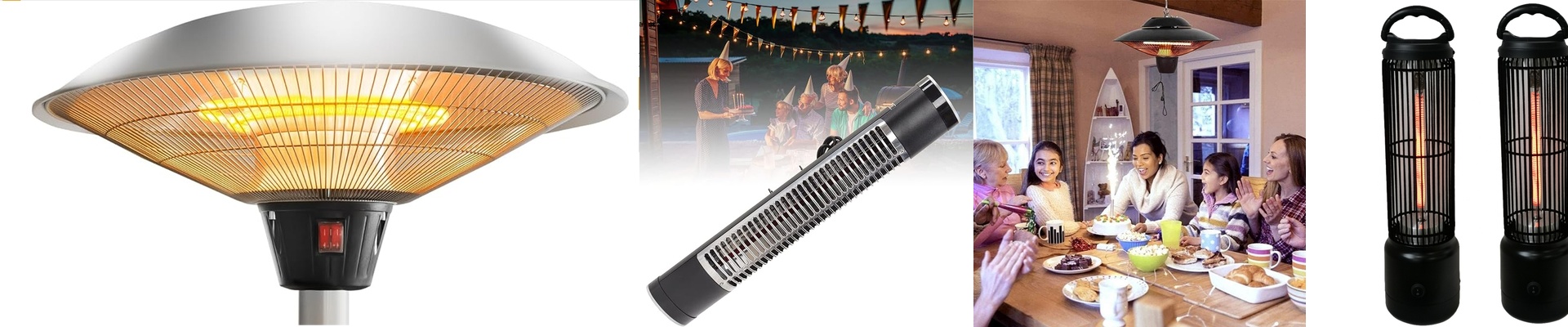
Making semiconductors usually means dealing with a lot of heat, and a lot of waste. For a long time, we’ve relied on old-school resistive heating or gas-fired systems that basically heat up the entire room just to get one part warm. It’s overkill. We’ve found a better way: digital infrared (IR) dryer controllers. Instead of warming up the whole oven volume, we just push the heat straight into the substrate. It’s cleaner, faster, and makes a lot more sense.
How the IR Magic Actually Works
Most IR lamps are “dumb.” They run at full blast, wasting a ton of energy while they’re idling or ramping down. Our controllers are different. They use high-speed PID loops to modulate the power. Think of it like a dimmer switch that reacts in milliseconds. By tweaking the duty cycle, we keep the temperature in a very tight window. No overshooting. No scorched wafers. And way less scrap hitting the bin. We usually pair these with short-wave IR lamps. These penetrate deeper into the material, which means your drying times plummet. You get a smaller machine footprint and a much lower electricity bill.
The “Gotchas” of Implementation
Now, it’s not just plug-and-play. You have to be careful with the wiring. If your power supply is dirty, you’ll get signal noise in the feedback loop, and things get messy. And please, double-check your thermocouple placement. If your sensor is off by even a few millimeters, the controller starts “hunting” for the right temperature. It creates these power oscillations that will chew through your solid-state relays in no time. But once it’s dialed in? It’s great. You lose that annoying “warm-up” lag you get with convection. You flip the switch, it hits temp in seconds, and it kills the power the moment the cycle is done.
Real Talk: The Factory Floor
Here is the thing: cutting your carbon footprint isn’t just about swapping a lamp. It’s about the logic behind the heat. Digital IR systems save energy, but they create intense, localized heat. If your exhaust system is weak, you’re going to stress your cooling fans or, worse, warp the chassis. The secret sauce is tuning the controller specifically to the thermal mass of your wafer carrier. When you get that right, everything just clicks.