

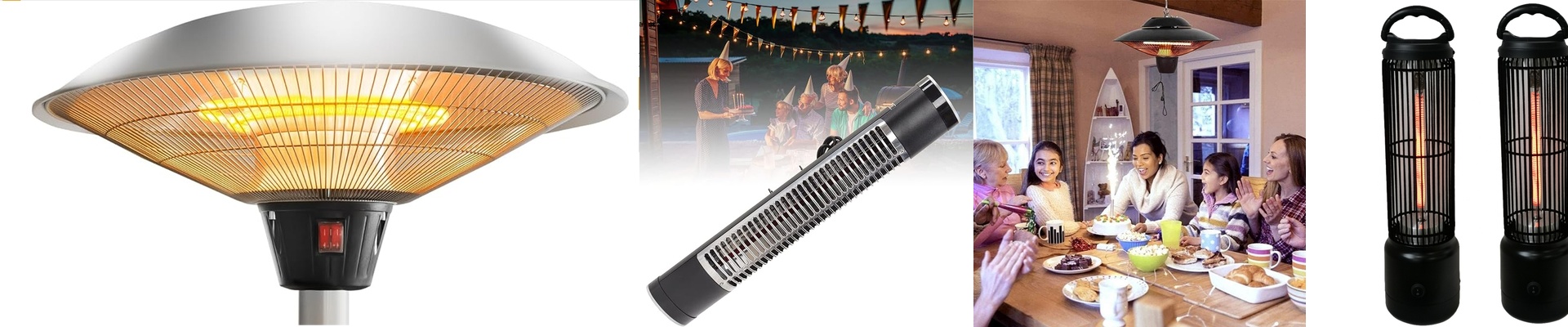


Let’s talk about heating chemicals without blowing things up
Heating chemicals in a cleaning line is a nerve-wracking job. When you’re working with solvents that love to catch fire or explode, a basic infrared lamp isn’t just a bad choice—it’s a liability. That’s why we build our ozone-free IR lamps with specific encapsulation. It’s all about stopping a spark before it starts and keeping your chemicals from breaking down.
The headache with ozone
Here’s the thing: standard short-wave lamps pump out ozone. In a chemical-heavy environment, that ozone starts reacting with volatile organic compounds (VOCs). The result? Corrosive gunk that basically eats your machine’s frame and seals from the inside out. We fixed this by using specialized quartz glass and filtered filaments. They block the UV wavelengths that create ozone in the first place. Your workspace stays breathable, and your equipment doesn’t rust through way before its time.
Keeping the sparks inside
You can’t just leave a bare heating element exposed when there are flammable vapors floating around. It’s asking for trouble. We seal our lamps inside high-grade quartz sleeves that can handle harsh chemicals. Think of it as a physical shield. If a lamp burns out or a filament snaps, that sleeve keeps the hot element from sparking directly into the atmosphere. We also use airtight seals at the end caps so vapors can’t sneak into the electrical housing. Just a heads-up: make sure your mounting brackets aren’t putting too much pressure on those seals. If they’re stressed, they can leak.
The real-world trade-off
These lamps are great for fast curing and cleaning because they pack a lot of heat. But there is a catch. Because we’ve added that protective sleeve, there’s a bit more material between the heat source and your part. This means you lose a tiny bit of that immediate “hit” of heat compared to an open-air lamp. You might find you need to slow down your conveyor belt a touch or bump up the wattage to hit your target temperature. It’s a small price to pay for peace of mind. One last tip: use high-temp leads for the wiring and get into the habit of checking your seals every quarter. If you see a crack in the sleeve, pull the lamp immediately. Don’t gamble with it.