
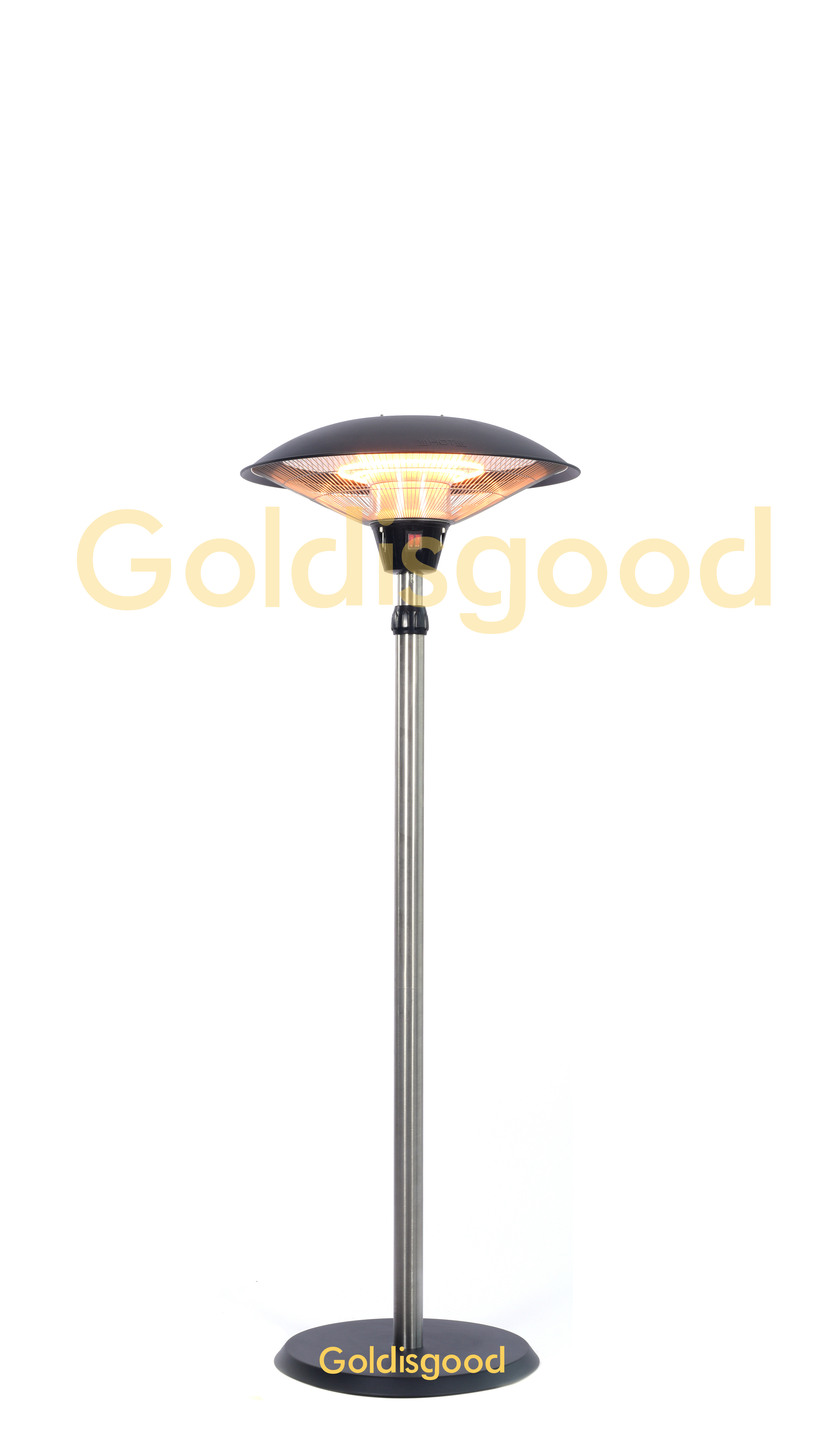
Why Your Infrared Heaters Keep Dying (And How We Fixed It)
Water and condensation are basically kryptonite for infrared heating elements. If you’ve ever seen a quartz tube shatter because a few cold droplets hit it while it was white-hot, you know exactly what I’m talking about. It’s a mess, it’s frustrating, and it kills your productivity. We got tired of seeing that happen, so we built our waterproof table heaters to actually survive the chaos of a wet shop. The secret to keeping water out Here’s the thing: most “water-resistant” heaters just put a plastic shell around the outside and call it a day. That doesn’t actually solve the problem. We focused on the spots where things actually break—the electrical junctions. We used heavy-duty gaskets and sealed the wiring terminals with moisture-resistant insulators. This stops the oxidation and arcing that usually pops your breakers. It just stays stable, even when the air is thick with humidity. Dealing with the “Fog” problem Fogging isn’t just annoying to look at. It actually blocks the heat. When condensation builds up on the emitter, it creates a barrier. Your lamp has to work twice as hard—and run way hotter—just to get the workpiece up to temperature. That’s a fast track to a burnout. To stop this, we tweaked the airflow and treated the surfaces so moisture can’t cling. Instead of beading up and blocking the heat, the moisture evaporates almost instantly. You get a steady, constant stream of infrared heat without the lamp killing itself in the process. The honest trade-offs I’ll be straight with you: adding all this shielding makes the unit a bit bulkier. You also lose a tiny bit of that direct “line-of-sight” heat because of the protective layers. It’s not a big deal, but you might want to grab a higher wattage lamp or just scoot the heater a little closer to your work to make up for it. Just make sure your ventilation is decent so the internal electronics have room to breathe. At the end of the day, we built these to take a beating. You get a heater that actually does its job without turning into a liability the second a splash hits the chassis.