
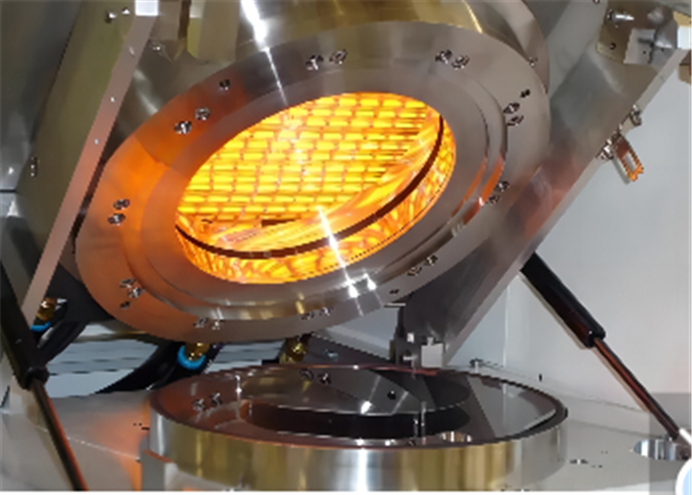
Stop Letting One Bad Lamp Kill Your Whole Batch
In biosensor fabrication, one tiny mistake can be a disaster. Imagine this: you’re in the middle of a high-load run and an infrared tube bursts. It’s not just a broken light. It’s a shower of quartz shards and halogen gas raining down on your workspace. One pop, and your entire batch of wafers is scrap. It’s a nightmare. That’s exactly why we build our IR lamps the way we do. We want to make sure a failure doesn’t turn into a contamination catastrophe. Keeping the mess inside We start with high-purity fused quartz for the envelope. It’s tough enough to handle those brutal, rapid temperature swings. But we don’t stop there. We add a protective sleeve or a secondary shield—basically a physical wall. If the filament burns out or the tube cracks, the shards stay trapped. They don’t end up as glass dust on your sensors. You get peace of mind, and your wafers stay clean. Dealing with the heat When you’re pushing a lamp to its limit, the middle gets scorching while the ends stay cooler. That tension is where things usually go wrong. To fix this, we use reinforced end-seals so the tube doesn’t just snap at the pinch. We also obsess over the filament tension. If the filament sags, you get hotspots. And hotspots are what cause the bursts. It’s all about keeping things stable. The honest trade-off Here is the thing: adding shields or thicker quartz means a little bit of the IR light gets blocked. You lose a tiny bit of heat density. You might need to bump up the wattage or let the wafers dwell a bit longer to make up for it. But honestly? That’s a small price to pay to keep your clean-room actually clean. Getting it installed right The hardware is only half the battle. We use standardized connectors because a loose fit is a recipe for disaster. Loose connections lead to arcing, which eats away at the lamp ends and makes a blowout way more likely. When you’re wiring these in, double-check your torque specs. Make sure everything is seated tight. It stops the vibrations that wear the lamp down and keeps your line running longer.