
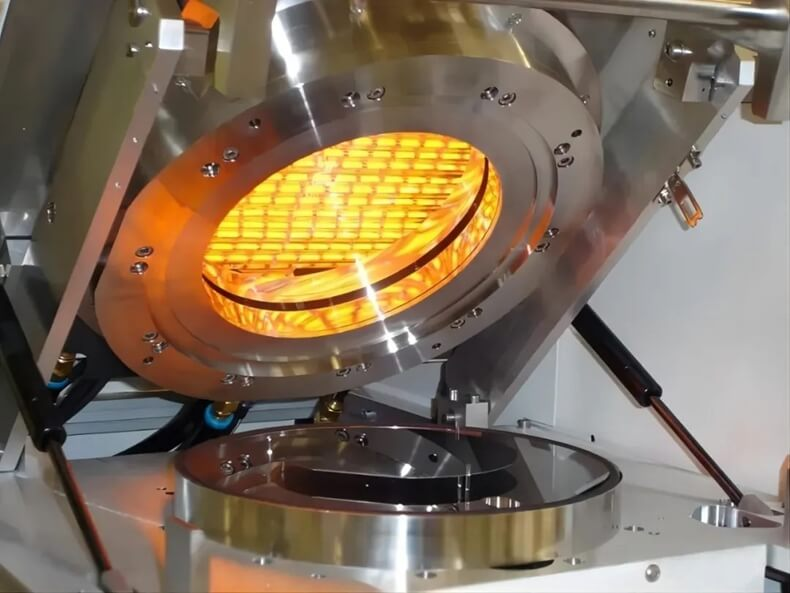
Stop Worrying About Your Cleaning Zone
Let’s be honest: running infrared (IR) curing lamps around flammable chemicals is nerve-wracking. One tiny spark or a hairline crack in a quartz tube, and you’re not just looking at a breakdown—you’re looking at a disaster. That’s why we don’t just build lamps; we wrap them in a protective shell. We use specific encapsulation to keep the heating element completely separate from the air around it.
How the sealing actually works
Most standard IR lamps leave the wiring and electrodes out in the open. In a chemical fab, that’s a recipe for trouble. We fix this by sealing those danger zones with reinforced quartz sleeves and resins that don’t react with chemicals. It’s basically a physical wall. It keeps those volatile organic compounds (VOCs) away from the electrical parts. Even if your housing takes a beating from caustic vapors, the guts of the lamp stay safe and dry.
Keeping things cool
Safety isn’t just about the seal. It’s about the heat. We tune these lamps to keep a steady temperature. Why? Because “hot spots” are what ignite vapors. We also treat the quartz glass so chemicals can’t etch into it. Without that treatment, the glass thins out, gets weak, and eventually bursts. One quick tip: make sure you’re using a proper explosion-proof enclosure. If you crank the wattage too high without enough airflow, you’ll bake the seals, and they’ll start to degrade.
Getting them into your line
The best part is that these are drop-in replacements. You can swap out your old, non-certified heaters without rebuilding your whole line. We use shielded cabling and specialized connectors to stop electrical arcing before it starts. We spend most of our time obsessing over the seals at the ends of the lamps—that’s where things usually go wrong. When those seals hold, you can actually breathe easy. Your line keeps moving, and you don’t have to worry about a flash fire ruining your day.