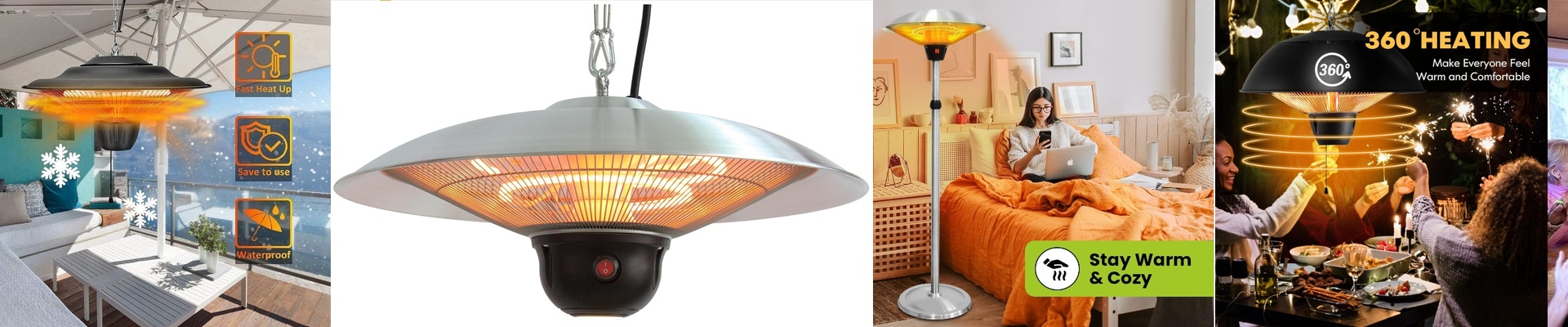
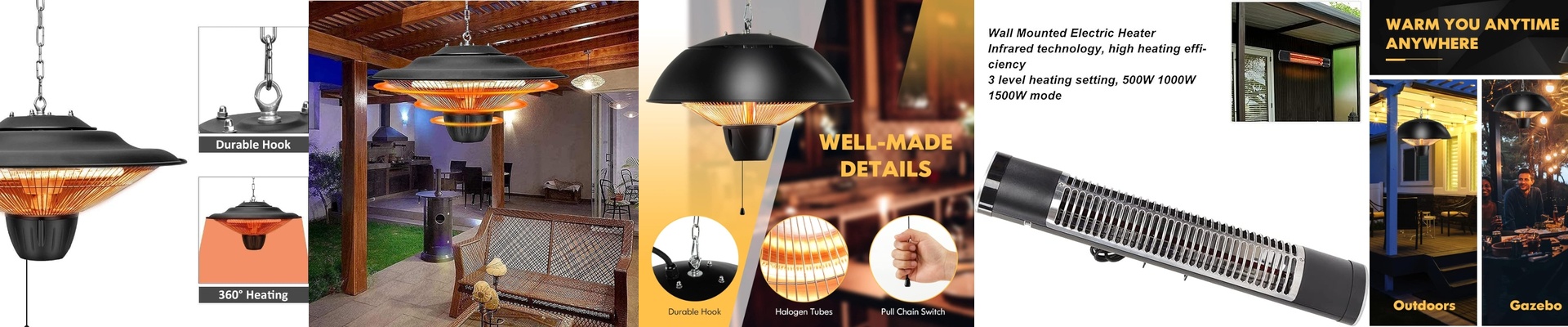
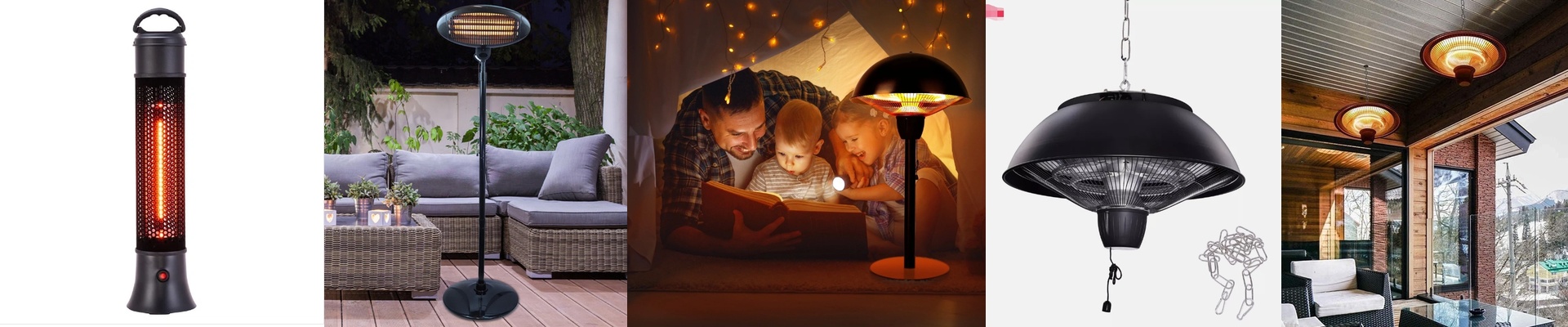

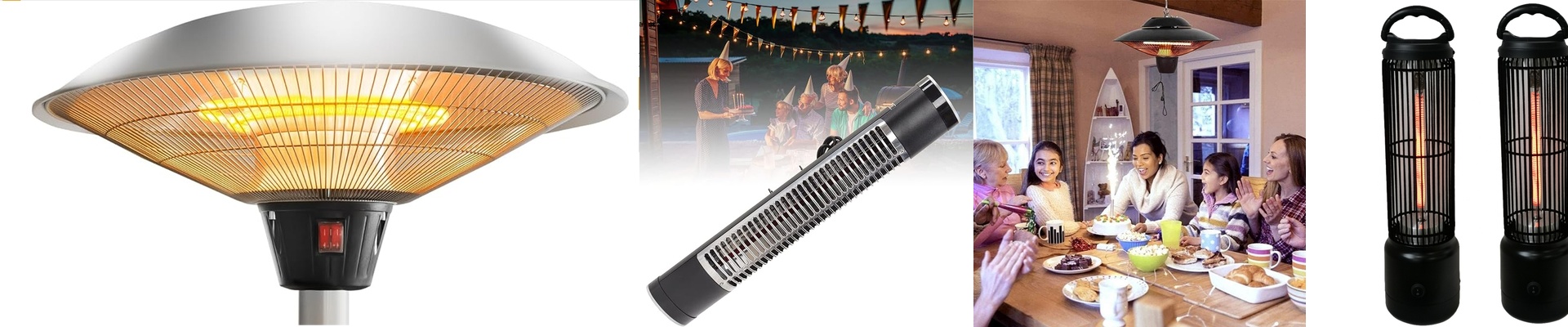
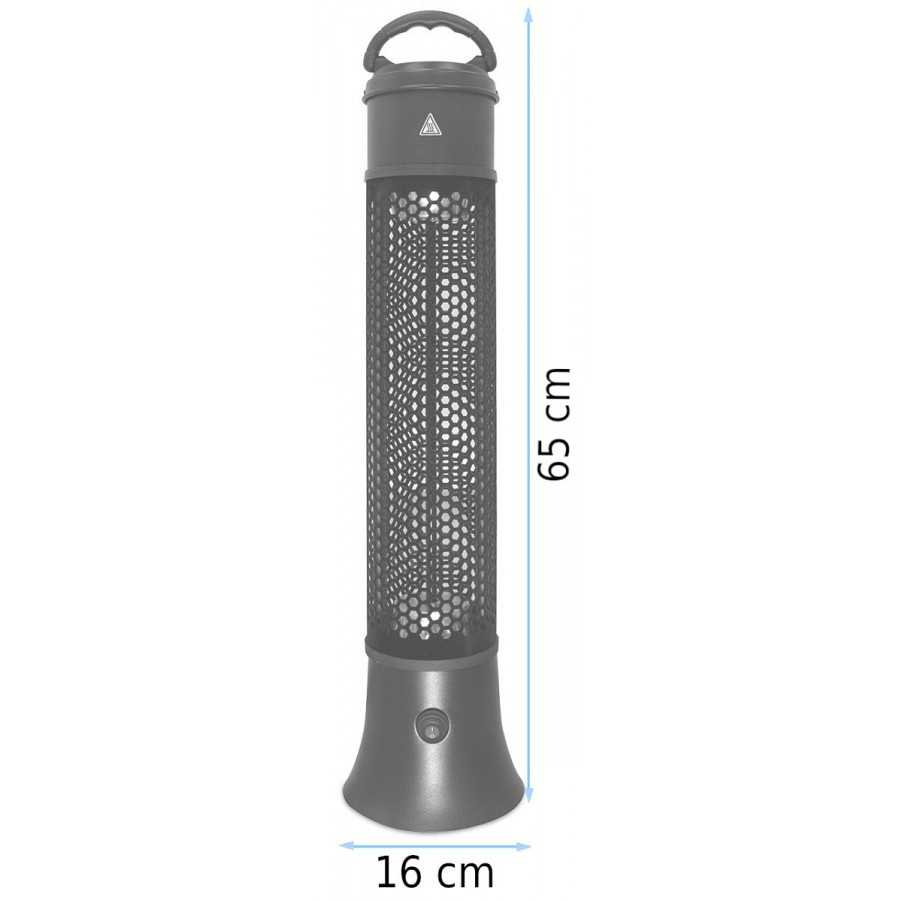
Building Infrared Heaters That Actually Survive the Outdoors
If you’ve ever installed outdoor heaters, you know the two things that kill them: humidity and grime. Most heaters fail because water or dust sneaks into the electrical terminals. It’s a classic problem. That’s why we build our units with an IP65 rating.
What does IP65 actually mean for you?
Strip away the technical jargon, and it boils down to this: the “6” means dust can’t get in. The “5” means it can handle water jets without blinking. We use precision gaskets and sealed cable entries to make this happen. Without them, condensation just settles inside the housing. Once that happens, you’re looking at short circuits or rusted contacts. We also obsess over the “splash-proof” side of things. If a film of moisture builds up on the quartz tube, you lose heat. Worse, when the unit kicks on, that moisture can cause thermal shock. Not a good look.
The balancing act of materials
We go with high-grade aluminum for the housing. It’s great for pulling heat away from the electronics so they don’t fry. But here is the tricky part: the gaskets. Infrared emitters expand when they get hot. If the seal is too tight, the glass cracks. If it’s too loose, rain leaks in. We spend a lot of time dialing in that tolerance so the seal stays tight even when the temperature swings by 200°C. It’s a delicate balance, but it’s the only way to make it last.
The honest trade-offs
Look, IP65 isn’t free. These units are heavier and cost a bit more. And because they’re sealed tight, you can’t just pop the cover off for a quick tweak without potentially ruining the seal. You’ll also want to make sure your mounting brackets are beefy enough to handle the extra weight. But here’s the payoff. These heaters are built for the places that take a beating—rain, wind, the works. By keeping the electrical path bone-dry, we stop those annoying “burn out” cycles you see in cheap outdoor lamps. You get a heater that just works, year after year.