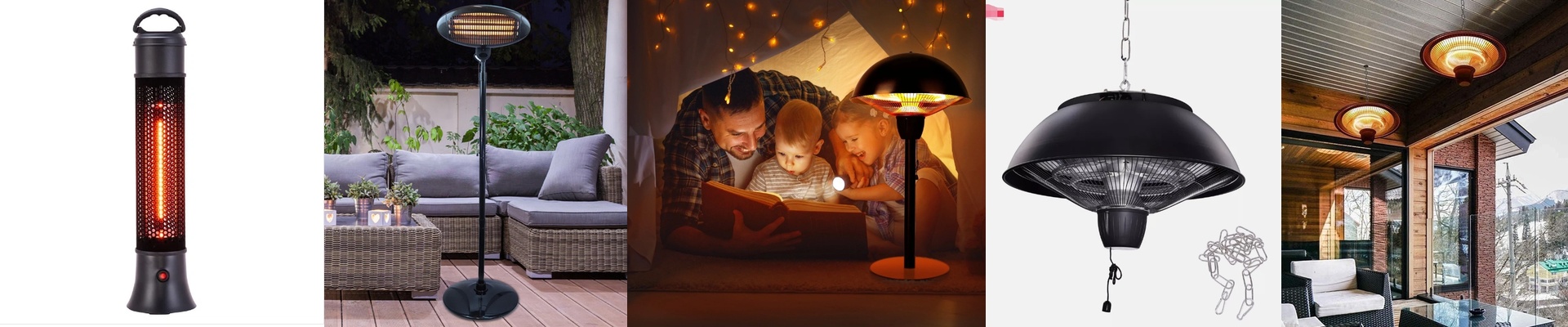
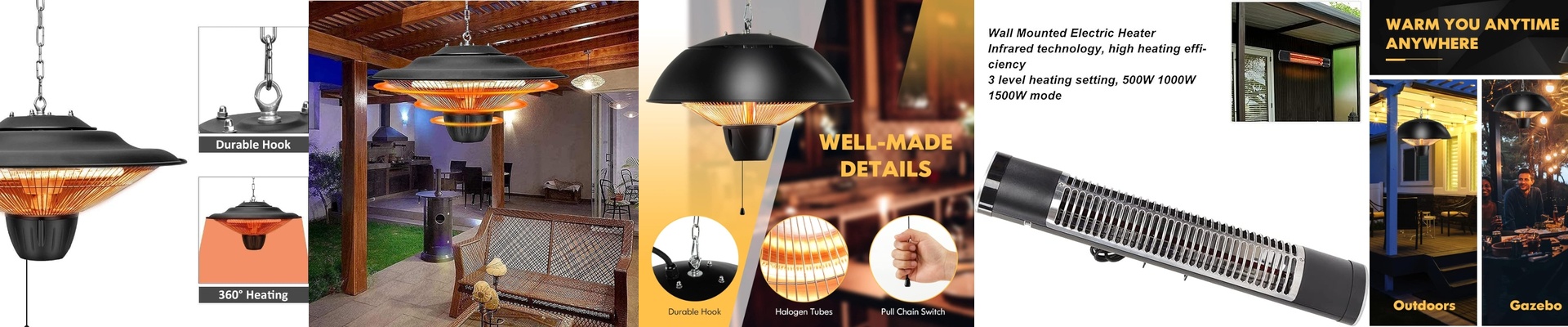

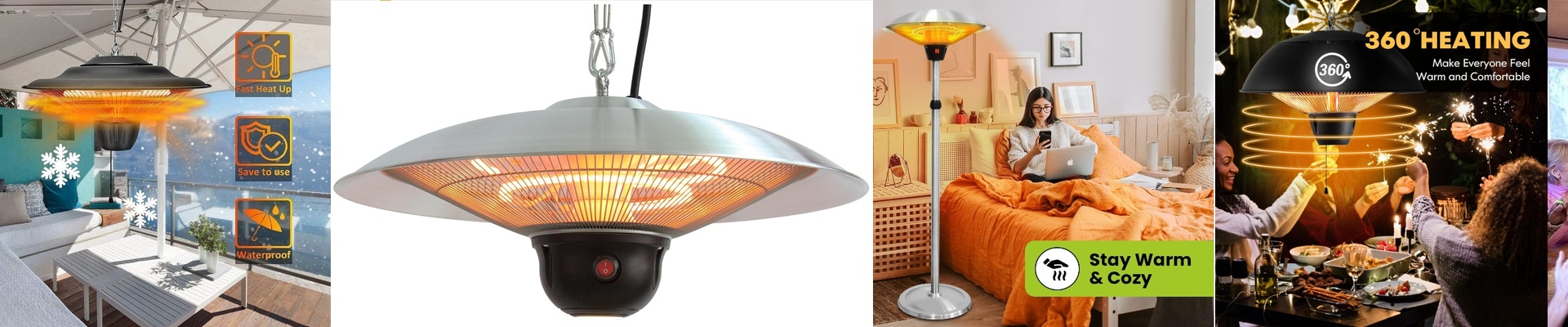
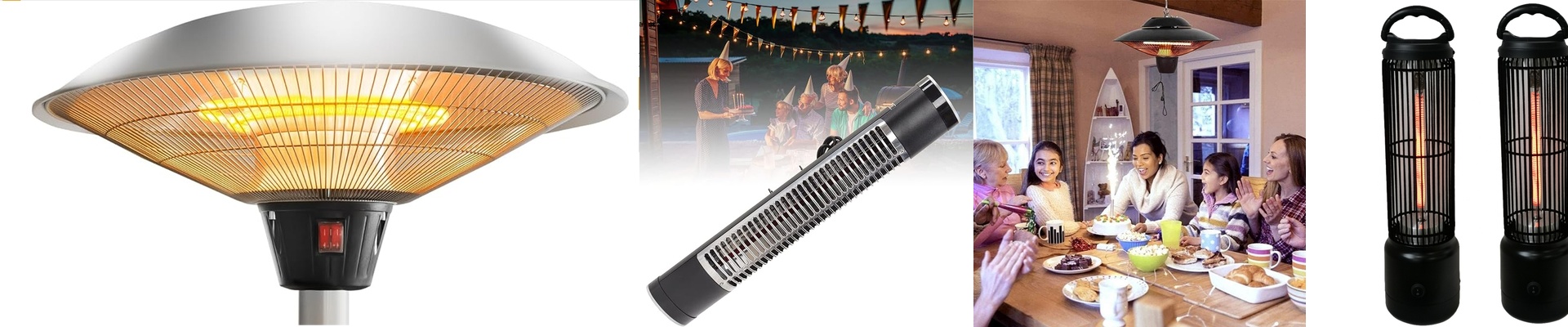
Why You Actually Need Explosion-Proof Quartz in Your Bathroom
Let’s be honest: putting a heater in a shower is a bit of a gamble. You’ve got steam everywhere and water splashing from every direction. If you use a standard infrared lamp, it’s not a matter of if it’ll short out or shatter—it’s a matter of when. That’s why we build our heaters to the IP55 standard. It’s basically a fancy way of saying the housing keeps the dust and water jets out, no matter where they’re coming from. But the housing is only half the story. The real danger is the quartz tube itself. Here’s the thing about standard quartz: it hates surprises. If a single cold drop of water hits that glass while the filament is screaming hot, the glass can snap from the thermal shock. Not great. We useexplosion-proof quartzinstead. It’s designed to take those wild temperature swings without cracking, which keeps the electricity exactly where it belongs—inside the tube and away from you.
The Trade-off for Instant Heat
These lamps use short-wave infrared. Instead of trying to warm up all the chilly air in a drafty bathroom, they beam heat directly onto your skin. It feels immediate. It’s that “ahhh” feeling the second you turn it on. But that kind of power comes with a catch. Because the quartz gets so hot, you can’t just slap it into any old frame. Cheap plastic brackets will warp or melt pretty quickly. Stick with aluminum or stainless steel mounts. They can actually handle the heat without sagging.
A Quick Word on Safety
When you’re wiring these up, please—get your grounding right. Water makes everything more conductive, and a tiny leak in the insulation combined with bad grounding is a disaster waiting to happen. Do yourself a favor and use a dedicated GFCI (Ground Fault Circuit Interrupter). It’ll kill the power the millisecond it senses a leak. It’s the ultimate safety net, and in a wet bathroom, it’s the only one that really matters.