Making Your Outdoor Heaters Actually Smart
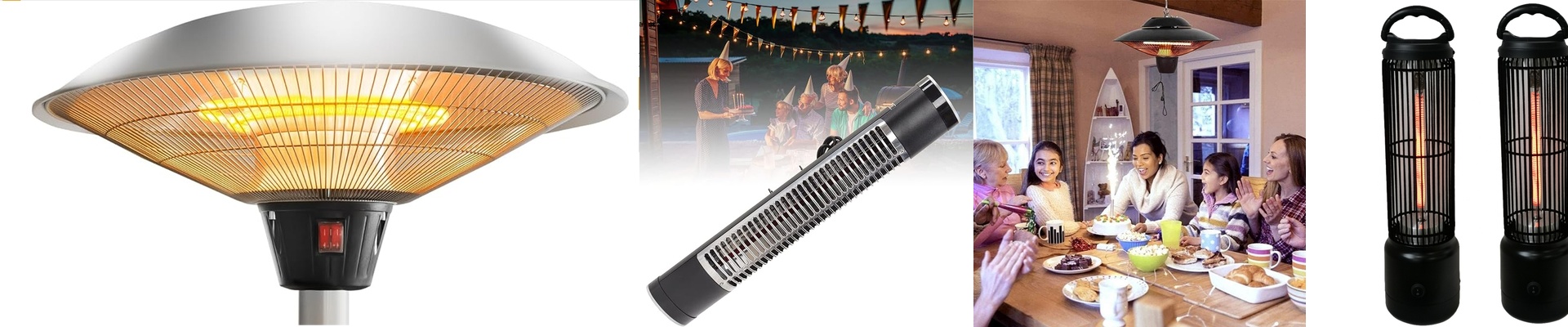
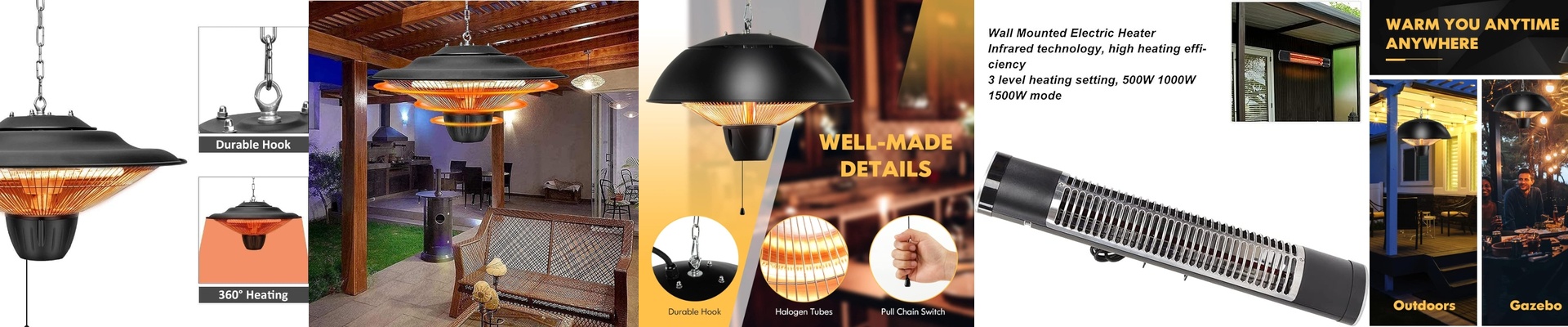
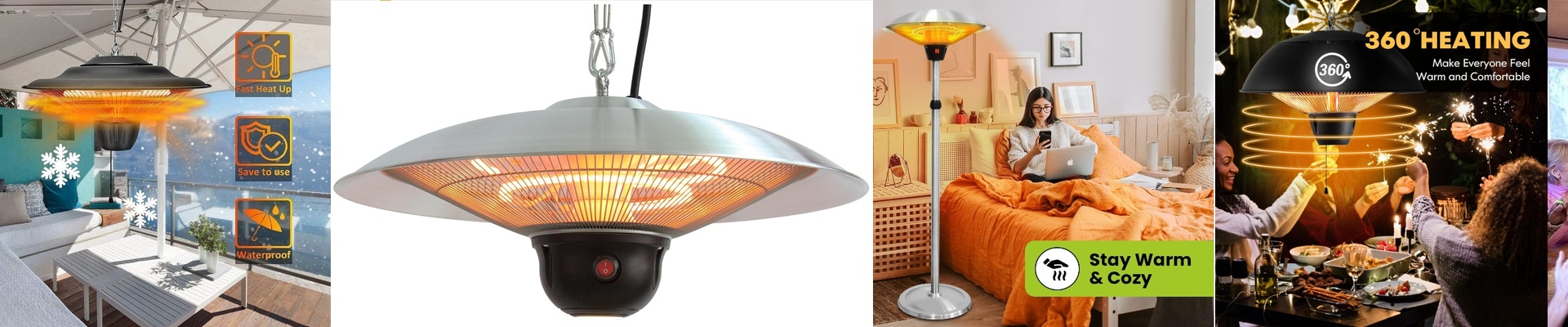
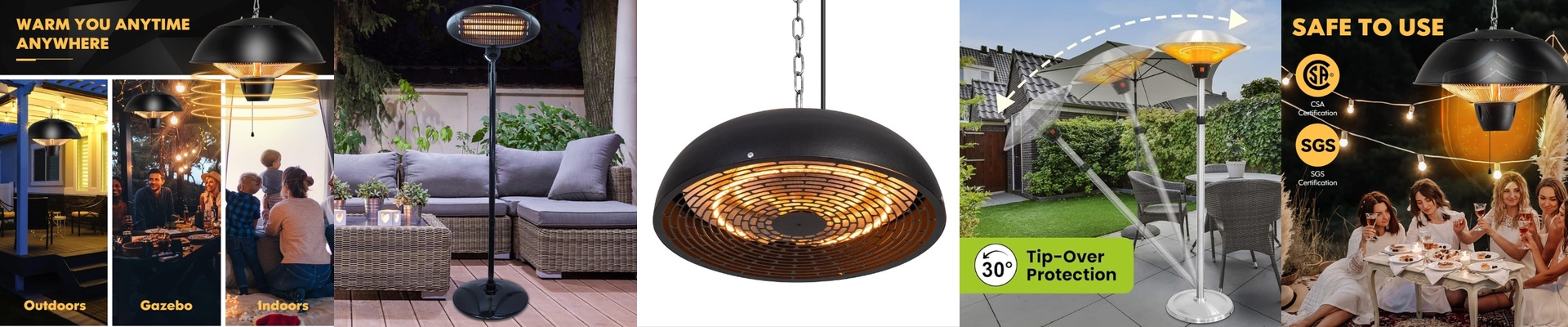
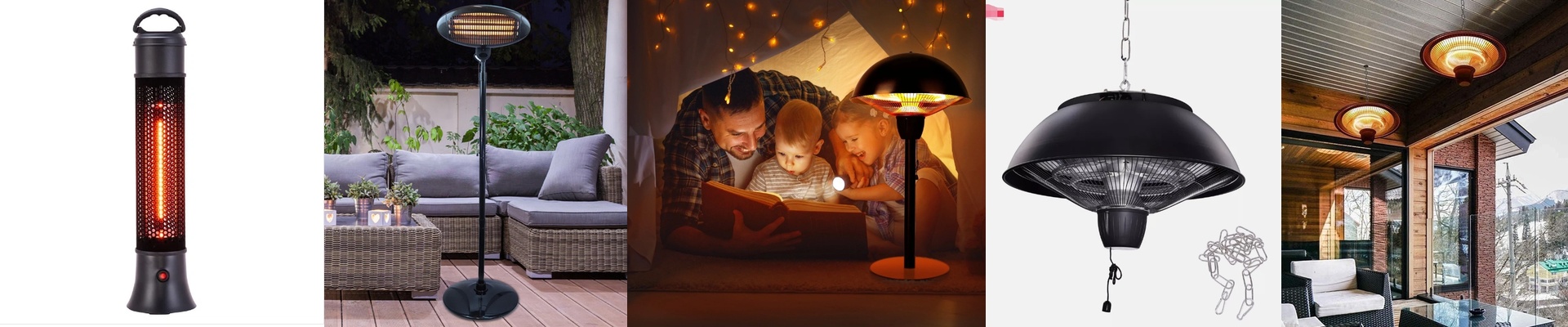
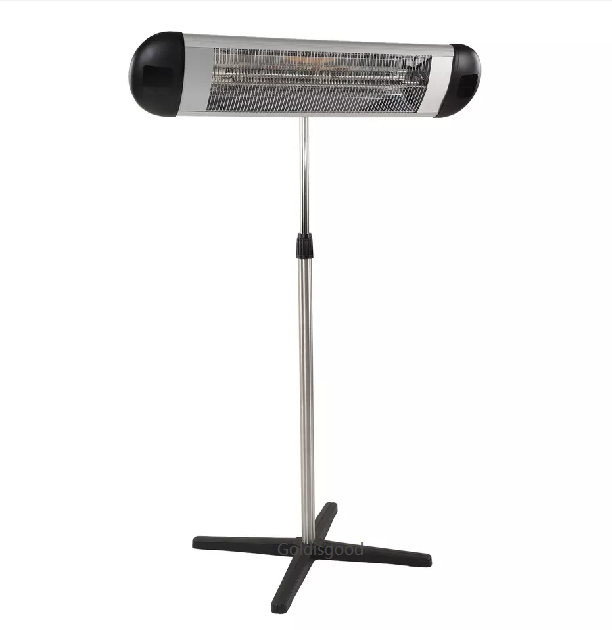
If you’ve ever tried to enjoy a patio in the middle of November, you know the struggle. You step outside, get hit by a wall of freezing air, and suddenly your “relaxing evening” feels more like a survival exercise. That’s where IP65 infrared heaters come in. The “IP65” part is just a fancy way of saying they won’t fry the first time it rains or snows. But the real magic is the infrared tech. It doesn’t waste time trying to heat up the wind—it just beams heat directly onto you. It’s that instant, cozy feeling you get from standing in the sun, even when the air around you is biting.
Getting Them to Talk to Your House
Walking across a cold deck just to flip a switch is a pain. I prefer to let the house handle it. By wiring these heaters into smart relays or using things like Zigbee or Matter controllers, you can stop thinking about switches entirely. I like to set mine up so that if the temperature drops to 5°C, the heaters just kick in on their own. Or, you can just tell your voice assistant to turn on “Winter Mode” and suddenly your entire outdoor space is warm before you’ve even put your shoes on.
The “Heavy Lifting” Part
Here is where you have to be careful. Infrared heaters are power-hungry. They need a lot of juice to push through the cold. If you’re putting in four 2000W units, you’re pulling 8kW. That is a massive amount of electricity. If you just slap these onto a random circuit, you’re going to trip your breakers—or worse, overheat your wires. Make sure your electrical panel and cable gauges are actually up for the task.
A Word of Warning on Smart Plugs
I see people try to use standard smart plugs for this all the time.Don’t do it. Those little plugs aren’t built for the massive power spikes these heaters create. If the hardware is too small, the internal components will arc, spark, and eventually burn out. It’s a mess. The pro move is to use a low-voltage signal from your smart hub to trigger a heavy-duty industrial relay (a contactor). Basically, the smart hub does the “thinking,” and the relay does the “heavy lifting.” It keeps your electronics safe and your patio warm. Simple as that.