
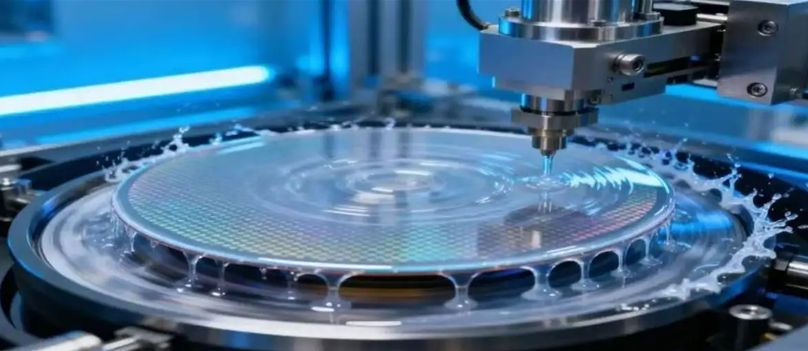
Getting More Heat onto Your Wafers (Without Burning the House Down)
If you’ve ever worked in bio-sensor fabrication, you know the struggle. Trying to get a wafer to a exact temperature while keeping the housing from overheating feels like a losing battle. We’ve found a way to stop fighting it. The trick is using infrared (IR) lamps paired with gold-coated reflectors. It’s a simple goal: stop throwing away watts and push every bit of that heat exactly where it needs to go. Why bother with gold? Most people start with aluminum reflectors, but they soak up too much energy. It’s wasteful. We swap those out for a thin layer of gold because gold is basically a mirror for infrared light. Instead of the reflector absorbing the heat, it bounces those photons straight back at the wafer. You get a tight, focused beam. The best part? You don’t have to crank the power as high to hit your target temperature. Keeping things steady In this line of work, heat uniformity is everything. One “hot spot” in the wrong place and you’ve just trashed an entire batch of wafers. It’s frustrating. By tweaking the shape of that gold-coated housing, we can control how the energy spreads across the surface. It lets you ramp up the heat quickly, which means your curing or bonding happens way faster. The catch Now, gold is great for heat, but it’s a bit of a diva. It can’t handle a beating. If you’re using abrasive cleaners or harsh chemicals, that gold coating will degrade. If your fab environment is full of corrosive gases, just toss a quartz shield over it to keep the gold safe. One more thing—since you’re focusing so much energy into one spot, make sure your lamp sockets and wiring can actually handle the load. You don’t want to find out the hard way that your wires aren’t rated for the heat. Get the wiring right, and you’ll notice your cycle times drop and your energy bills shrink. Just like that.