

Getting Your Heat Right in a Smart Fab
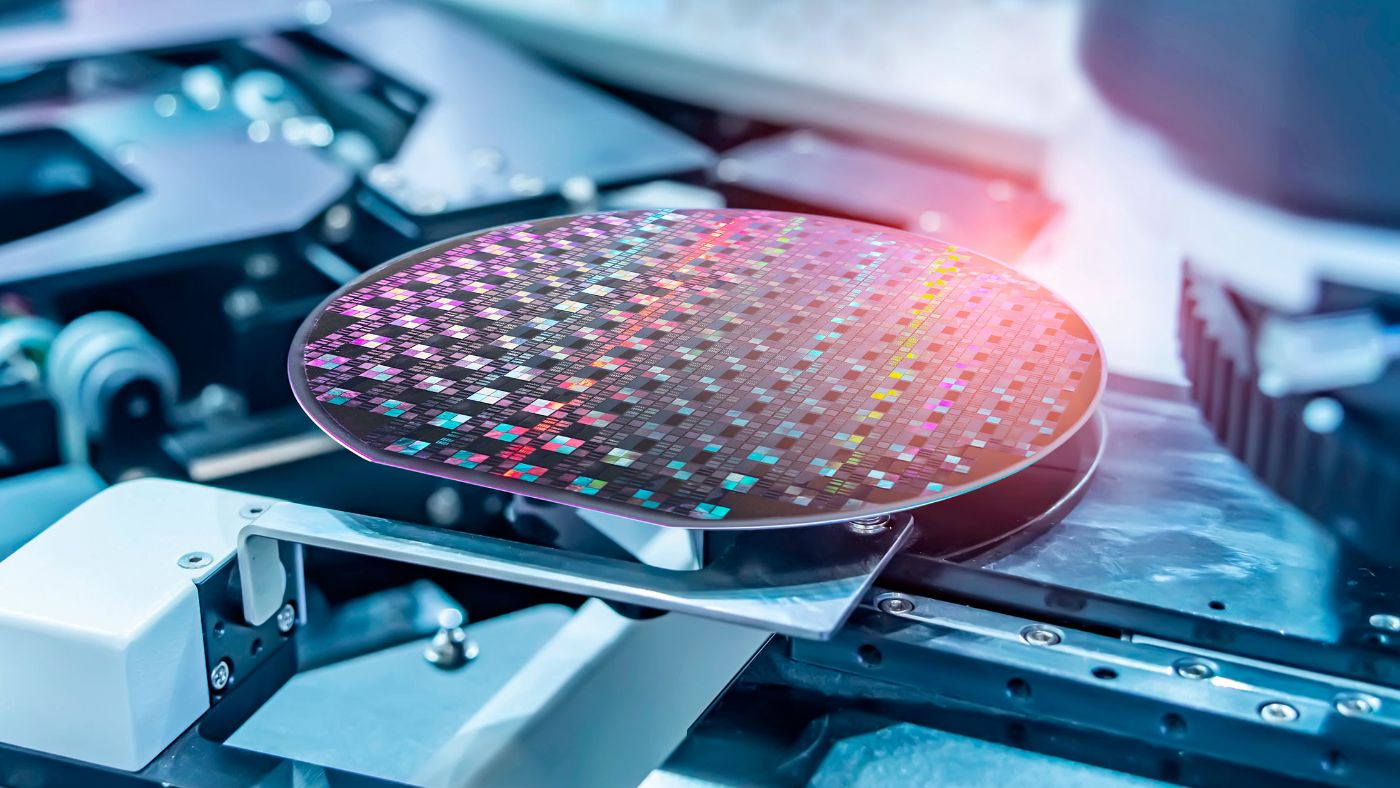
If you’re building a Smart Fab for Industry 4.0, the first thing you’ve got to do is stop relying on old-school heating. It just doesn’t cut it anymore. For things like wafer processing and chemical vapor deposition, you need UHP (Ultra High Purity) heater lamps. We build these to slide right into digitized lines where the heat is managed by real-time data. No guessing.
Packing Power into Small Spaces
Here’s the thing about our UHP lamps: they pack a massive amount of wattage into a tiny footprint. If you’re working with a 300mm tube, you need that heat concentrated. Otherwise, you won’t get a uniform surface across the wafer, and that’s where things go south. We use high-voltage setups to push more power through the filament without making the lamp any bigger. It keeps your machine footprint tight. But a word of warning: pushing 2000W+ into a compact space puts a lot of stress on your cooling manifolds. If your airflow isn’t dialed in perfectly, you’re going to fry your surrounding sensors.
Keeping it Clean and Connected
In this business, contamination is the enemy. One tiny speck and your yields tank. That’s why we use high-purity quartz and special coatings. It stops outgassing during the heating cycle, so your environment stays pristine. These lamps aren’t just “plug and play” hardware, either. They’re built for data. When you pair them with precise PID controllers, you can track every single ramp-up and cool-down cycle right in your MES. It turns your thermal profile into actual data. Plus, it lets you spot a lamp that’s starting to fade before it ruins an entire batch. That’s a huge relief for anyone managing a floor.
Making it Work on the Floor
Getting these wired into a smart factory is actually pretty simple. We use standardized connectors so everything clicks into place and stays there, even with the vibrations of a working plant. The best part? The speed. Infrared heat hits the target almost instantly. It cuts down your cycle times. It stops you from wasting energy. It’s just a faster, leaner way to run your production line.