
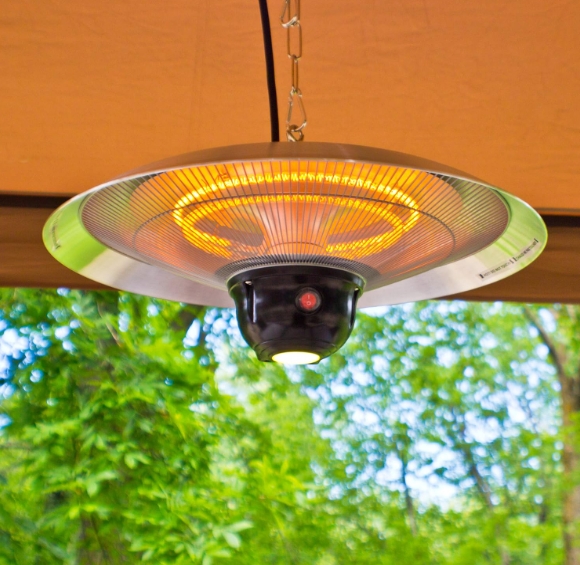
Why Explosion-Proof Quartz is a Must for Your Bathroom Heater
Let’s be honest: bathrooms are basically steam rooms. When you throw a high-wattage infrared lamp into a shower area, you’re creating a bit of a battleground. You’ve got intense heat on one side and cold splashes on the other. Here is the scary part. If a single drop of cold water hits a standard quartz tube while it’s glowing hot, the glass can’t handle the shock. It doesn’t just crack. It shatters. Fast.
What’s actually happening?
It comes down to how glass reacts to temperature. Standard quartz shrinks at a certain rate. When that cold droplet hits the hot surface, the outside of the glass snaps shut faster than the inside. That tension is what causes the tube to pop. To stop this, we use explosion-proof quartz. We’ve tweaked the chemistry and changed how the glass is cooled during manufacturing so it doesn’t freak out when the temperature drops suddenly. Plus, we usually add a protective coating or a reinforced sleeve. That way, even if the inner glass does give out, the shards stay trapped. You don’t want glass flying around while you’re trying to take a relaxing shower.
The balancing act
These lamps use short-wave infrared, which is fancy talk for “it gets hot instantly.” To get that kind of heat, the filament has to reach crazy temperatures almost immediately. Quartz is great for this because it warms up fast, but it’s naturally brittle. It’s a bit of a trade-off. If we make the glass walls thicker, the tube is tougher, but it might let a little less heat through. We spend a lot of time finding that sweet spot—thick enough to survive a humid bathroom, but thin enough to keep you warm.
A quick tip on installation
When you’re wiring these in, don’t just focus on the bulb. The seal around the fixture is just as important. Even the toughest explosion-proof lamp will burn out early if water pools inside the housing. Make sure your gaskets are high-temp rated. If they leak, steam builds up inside the reflector, and that’s a recipe for trouble. Keep it dry, and the heater will actually last.