

Why High-Waterproof Infrared Heaters Are Winning in Modern Bathroom Renovations
Here’s what’s happening in bathrooms these days: high-waterproof infrared heaters are quietly replacing the old lamp-style heaters. And honestly, it makes sense. When your space is full of steam and cold surfaces, you want heat that’s reliable, fast, and doesn’t demand a complicated install.
Power, voltage, and size—kept simple
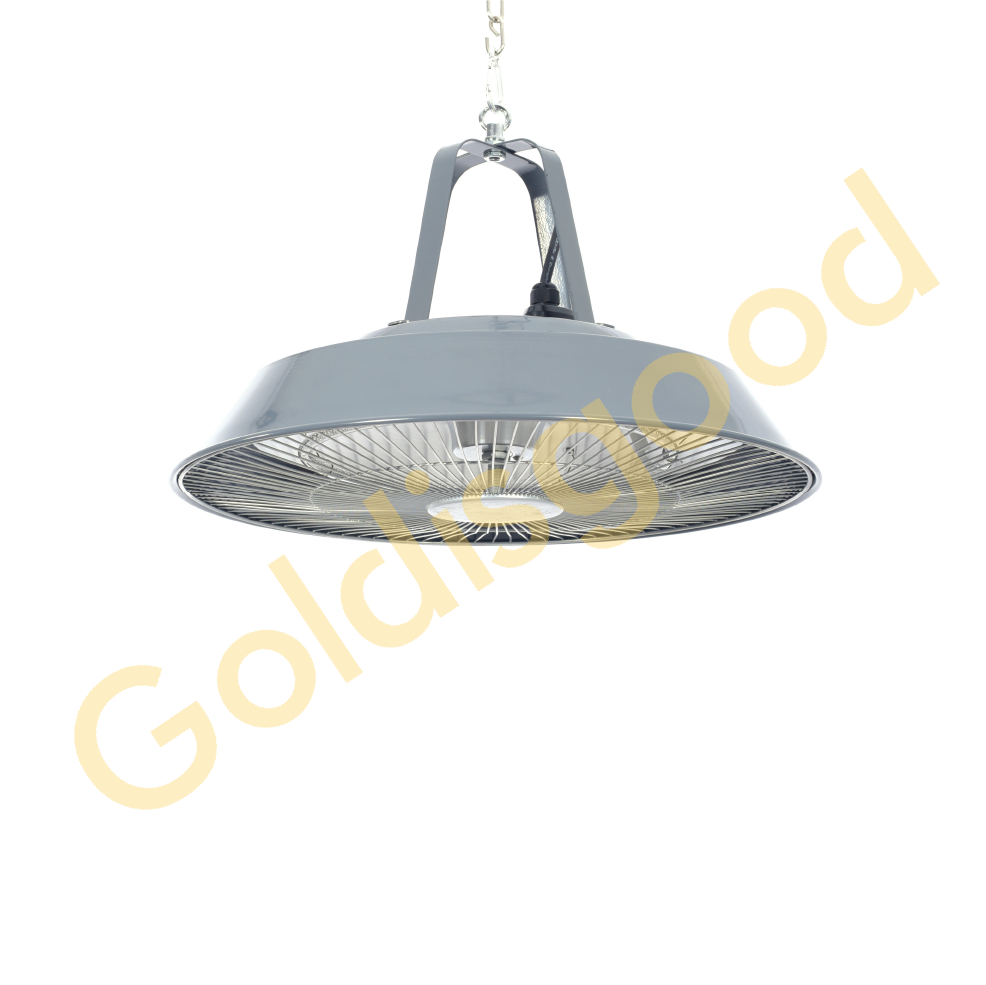
Infrared heat is about putting warmth exactly where you need it. Most units run on standard 220–240V, so you don’t have to rework your whole electrical plan. Wattage is matched to the room—often between 1500W and 2500W—because bathrooms need that quick recovery after a shower, not slow, drawn-out heating. Size matters, too. These heaters are wall-mounted and compact, so they stay out of the way while still putting the radiant zone in the right spot. You feel warmth on the floor and walls, without wasting energy heating the ceiling air. The shape and placement are built around what you can actually see and feel, not just looks.
Inside the design: built for steam, built to last
Inside, you’ll find halogen-filled quartz tubes. The halogen cycle helps keep the filament stable, which reduces blackening and keeps output steady over time. Quartz handles the shock of going from cold to hot quickly—without cracking. Then there’s the sealing. A strong protective coating and tight sealing strategy are what earn the high waterproof rating. Steam condenses everywhere in a bathroom, and ordinary heaters can short out at the ends or along the body. With a fully sealed build, water can’t sneak in at joints or connection points. The connectors—think R7s or SK15—are chosen because they carry high current, lock in securely, and survive repeated heating and cooling. You get a connection that stays solid, even when the air is soaked.
Why this matters when you’re renovating
If you’re updating a bathroom, two things matter most: waterproof performance and fast radiant heat. Infrared sends warmth directly to people and surfaces, so the room feels warm almost immediately—no waiting around for the air to heat up. Installation is straightforward. Mount it on the wall, hardwire it, and set the coverage angle. The footprint is small, so you can fit it into tight layouts without tearing into the ceiling or reworking walls.
A practical heads-up
One thing to keep in mind: high heat density means the surrounding area warms fast, so you’ll want to plan for cooling and clearance. Keep anything flammable at a safe distance, and make sure the circuit and switch are rated for the load. This isn’t a plug-and-play fixture if you want it to last—it needs a clean, properly engineered install. But when it’s done right, it’s the kind of warmth that makes the whole bathroom feel instantly comfortable.