Making Your Infrared Heat Actually Smart
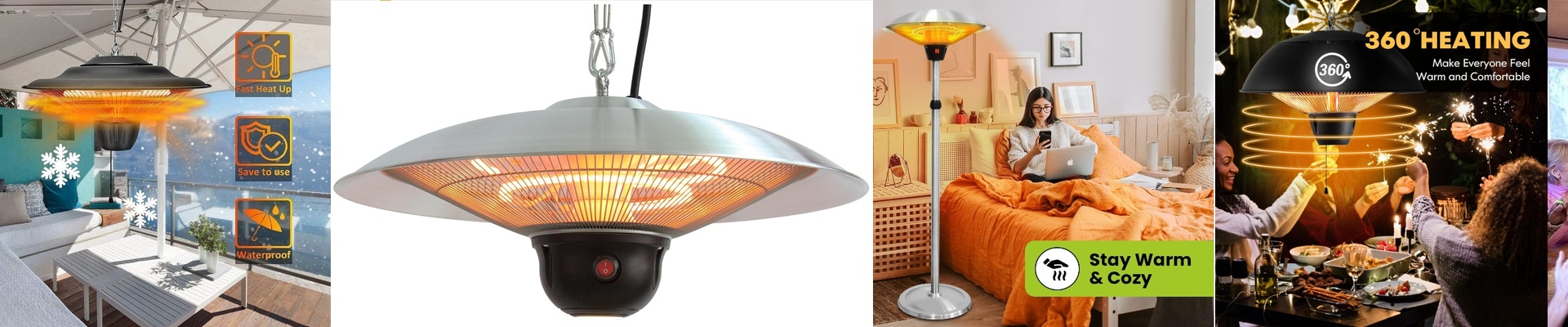
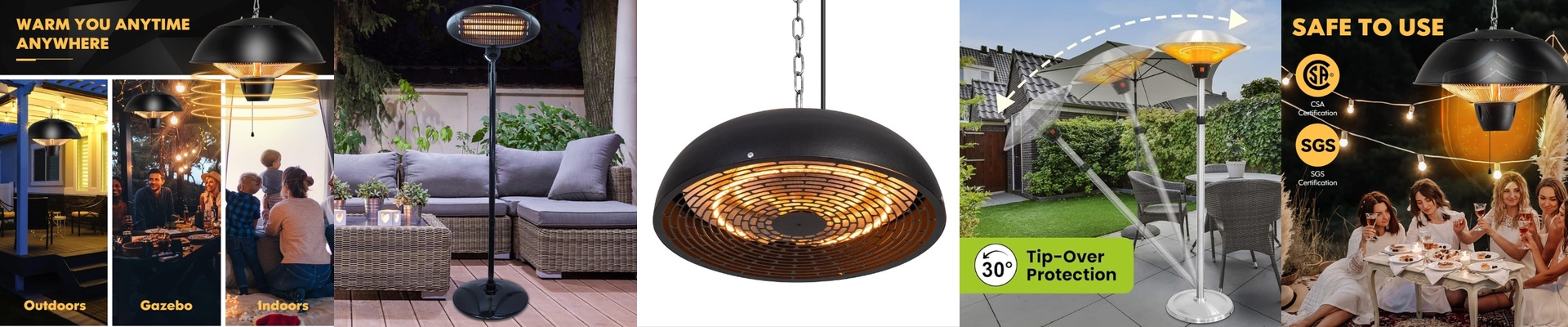
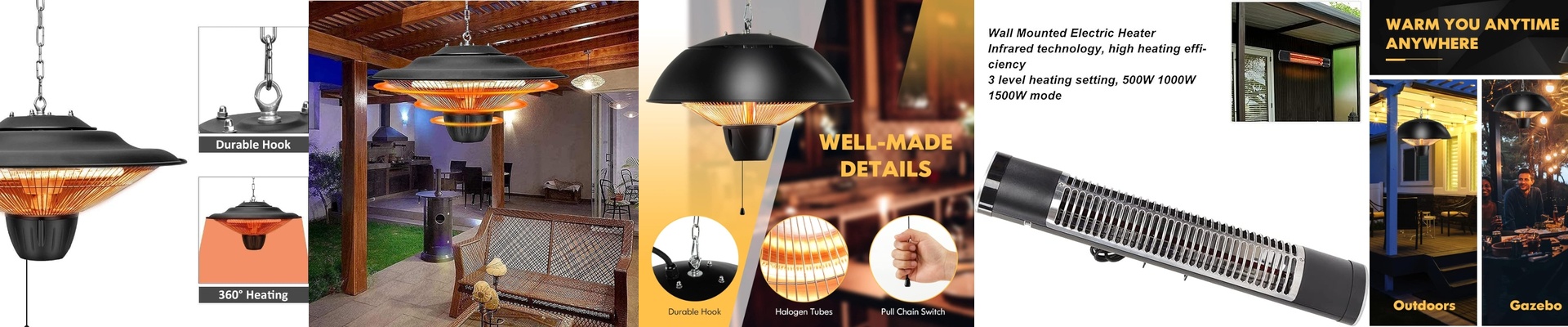
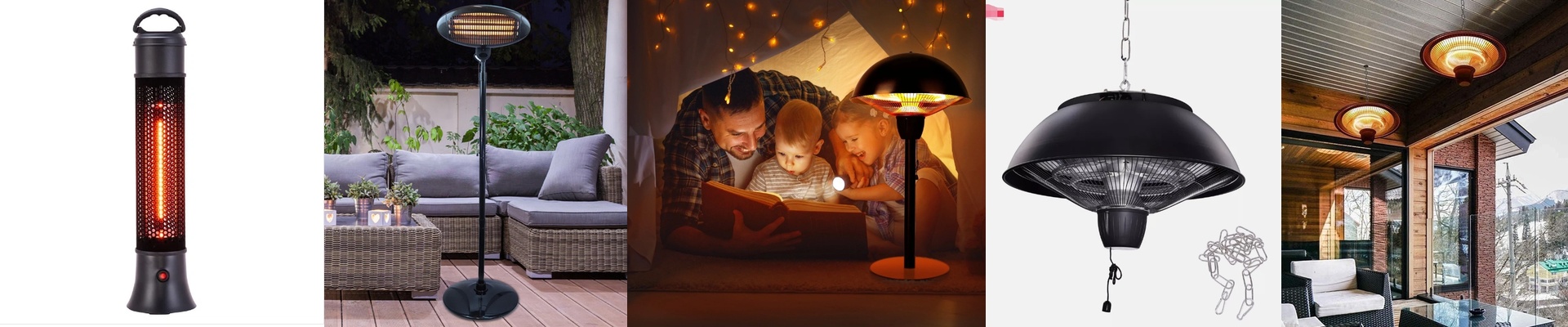
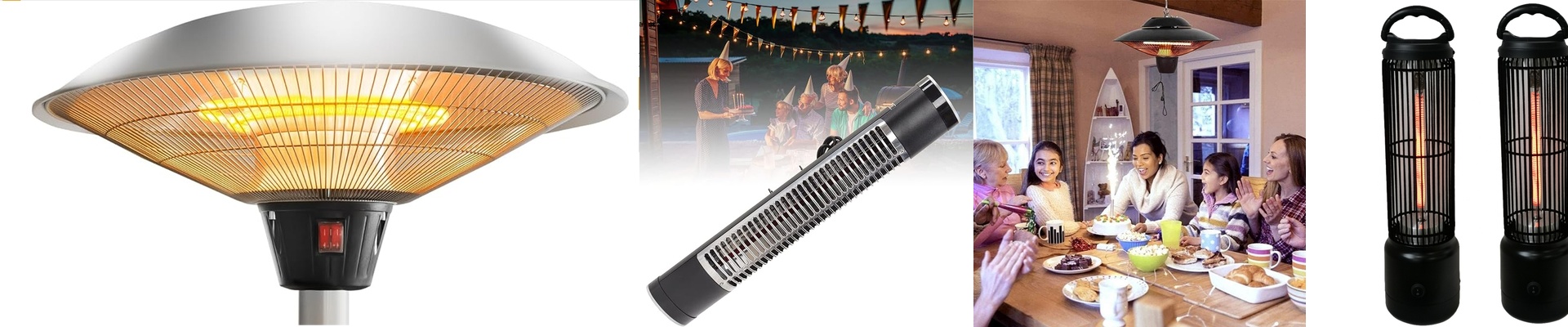
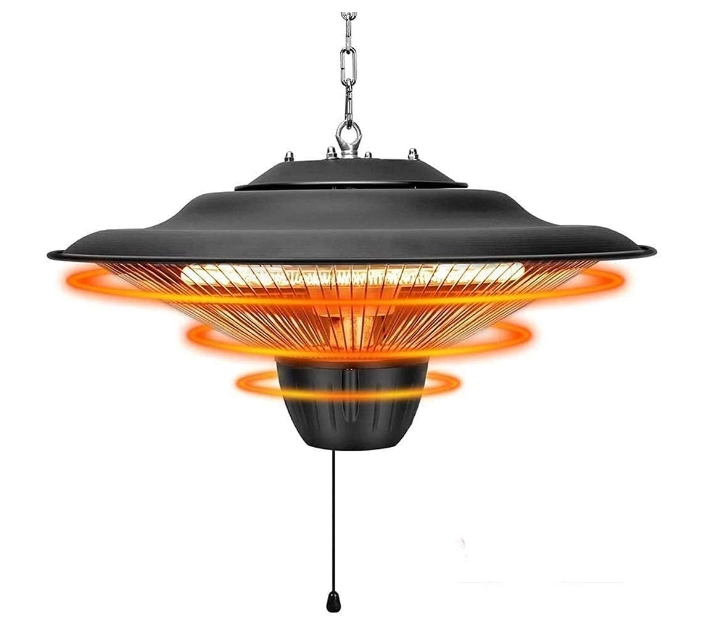
Most heaters just blow hot air around, which usually ends up floating straight to the ceiling while your toes stay frozen. Infrared is different. It warms you and your furniture directly. It’s like stepping into a patch of sunlight on a cold day. But the real magic happens when you stop flipping manual switches and let your home handle the temperature for you. The “Instant Warmth” Factor We’ve all been there—shivering in a room while waiting for a furnace to slowly kick in. It’s annoying. By hooking your IR heaters up to a smart hub (using things like Zigbee or Matter), you get that “instant spring” feeling. One tap on your phone or a quick voice command, and the elements glow. They hit temperature in seconds. If you’ve got a big, drafty room, just go with higher-wattage elements. It ensures the heat actually hits you before the cold air swallows it up. The Nitty-Gritty Stuff Here is the part where you need to be careful: these heaters pull a lot of power. If you’re installing a few 2000W units, you can’t just plug them into any old outlet. You’ll need heavy-duty relays and a circuit that can handle the load without popping your breakers every ten minutes. Also, a pro tip: put your temperature sensors where you actually sit or stand. Don’t put them up high. When the sensor at your level feels the warmth, it tells the heater to shut off. Simple. It just works. A Few Things to Watch Out For Now, it’s not all perfect. Adding smart controllers means you’re adding more “stuff” between your power source and your heat. More stuff means more things that could potentially break. If your internet goes down or the hub crashes, you don’t want to be freezing.**Always install a manual override switch.**Trust me. And keep an eye on your electrical panel. When those high-wattage heaters kick on all at once, it’s a huge surge of power. If your wiring is old, you might notice your lights flicker for a second. Make sure your panel is rated for the jump so you don’t run into any surprises.