
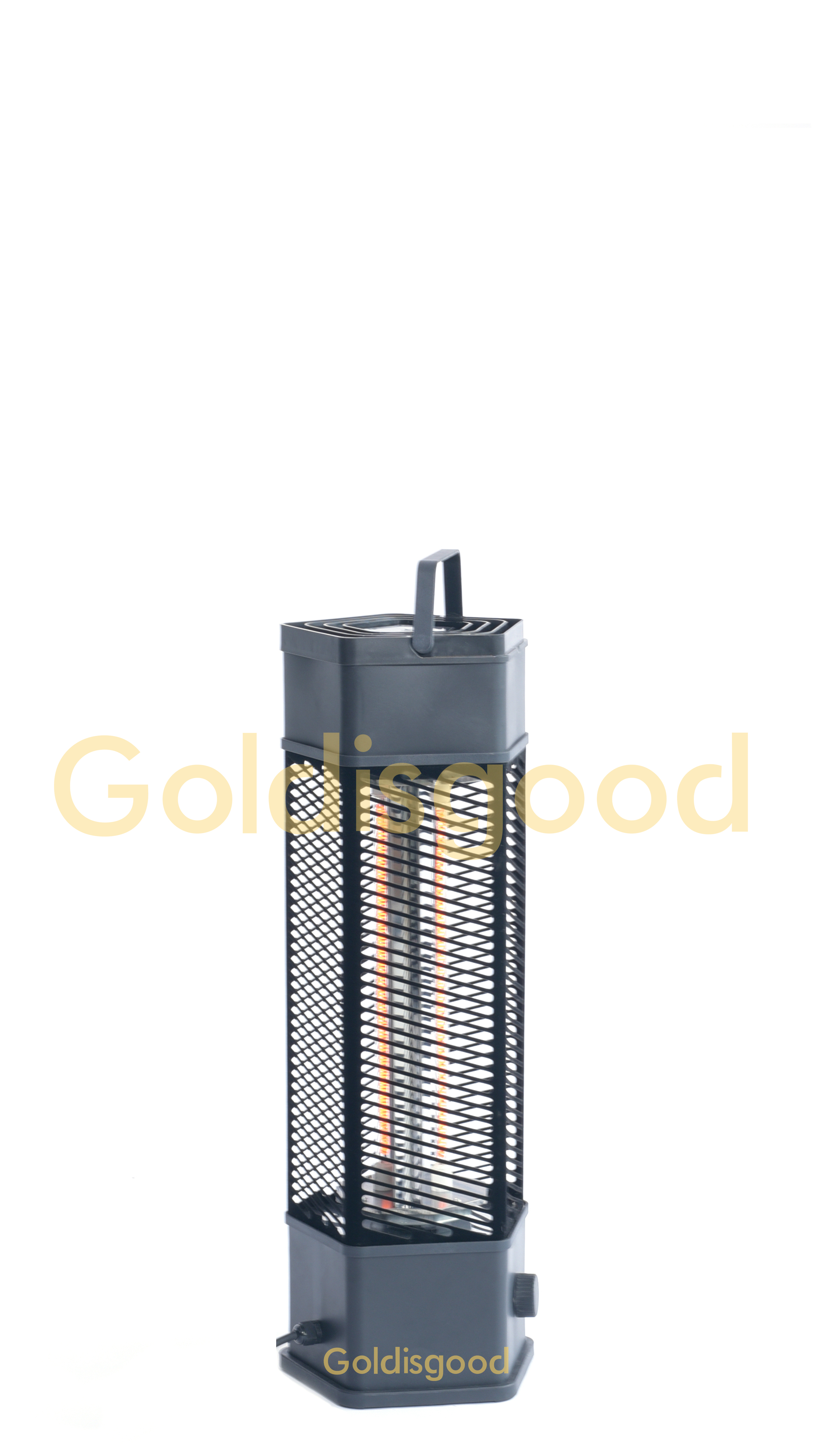
Why Your Gazebo Heater Keeps Dying (And How to Fix It)
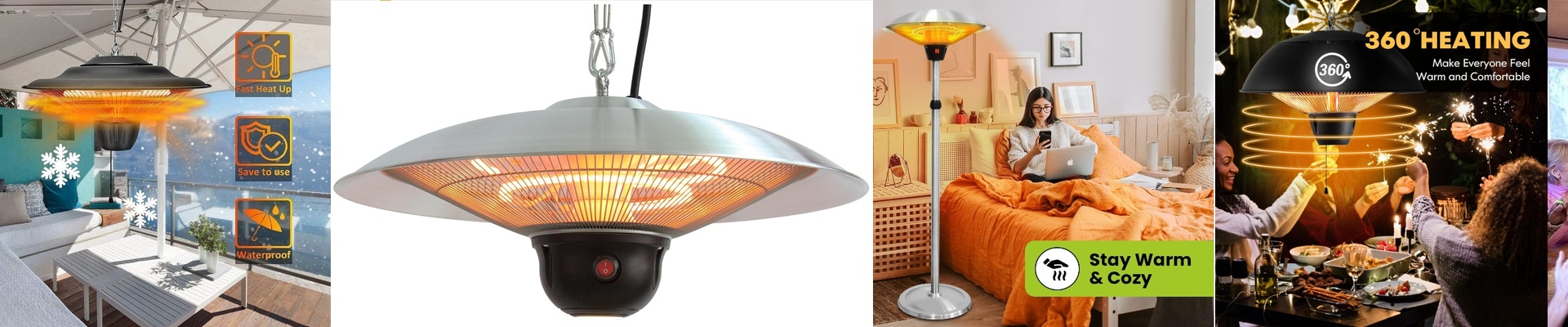
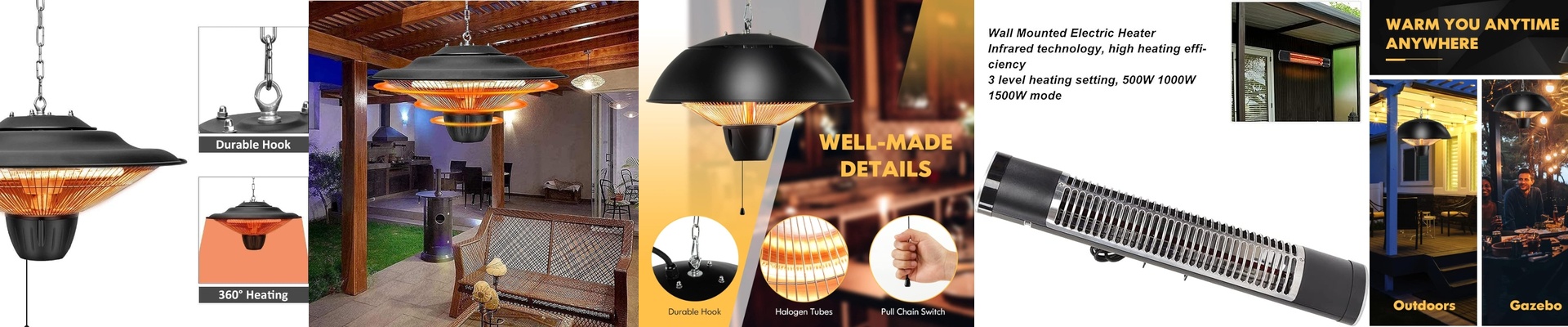
If you’ve ever put a 1500W infrared heater in a gazebo ceiling, you know the drill. It works great for a while, then suddenly—pop. Dead. Here is what’s actually happening: heat doesn’t just move toward the floor. It creeps backward, right into the wiring. Most of those store-bought heaters fail because the seal where the wire enters the unit just gives up. Once that seal cracks, moisture sneaks in, the insulation fries, and your heater becomes an expensive piece of ceiling decor. The problem with “cheap” sealing Most budget heaters rely on basic glue or some loose rubber grommets. But at 1500W, the spot where the wire hits the heating element gets incredibly hot. Standard plastics can’t handle that; they soften, shrink, and leave a gap. Then the outdoors happens. Dust settles in. Humidity creeps in. Eventually, you get “carbon tracking,” which is just a fancy way of saying the electricity found a shortcut it wasn’t supposed to take. It shorts out. We see this happen all the time in outdoor setups where the dew point is constantly shifting. Doing it the right way To stop the shorts and the aging, we do things a bit differently. We don’t just slap some glue on the wire and call it a day. We use high-temp silicone potting and a tight, compression-fit sleeve made of ceramic or heat-resistant polymer. It creates a total seal. The best part? That potting compound acts like a cushion. It absorbs the stress when the metal expands and contracts. It stops the wire from wiggling. Because movement causes friction, and friction eats through insulation. Simple as that. A quick heads-up on the trade-offs Now, there is a catch. This better sealing adds more “thermal mass” to the connection. In plain English: the wires stay hot for a bit longer after you flip the switch off. Because of that, you can’t cut corners with your wiring. If you use thin-gauge wire, an OEM seal won’t save you—the wire itself will just bake in the ambient heat. Stick with silicone-jacketed leads. They don’t get brittle and crack over time, meaning you won’t be climbing a ladder to replace your wiring every single season.