
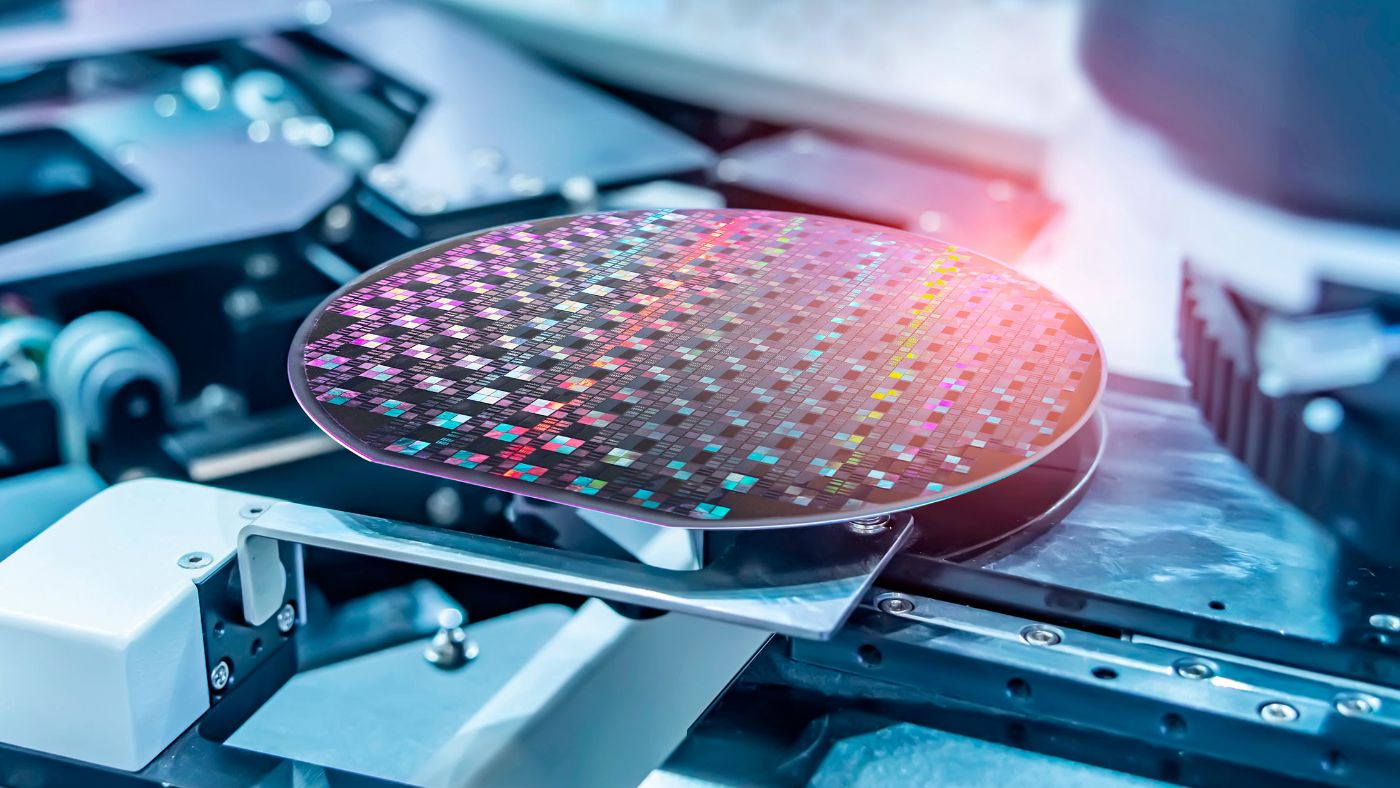
Why we’re swapping hot air for IR in wafer tools
If you’re trying to speed up semiconductor deep processing, you have to look at where you’re losing time. For a lot of us, that bottleneck is the heating process. Most old-school setups rely on hot air. It’s a slow process: you heat the air, and then the air eventually heats the wafer. It’s like trying to warm up a room with a space heater—it takes forever. IR heating just cuts out the middleman. It uses electromagnetic radiation to hit the wafer surface directly.**It’s fast. Really fast.**And that changes everything for your workflow.
The struggle with response time
When you’re using forced convection, you’re fighting thermal inertia. You have to wait for the heating elements and the entire volume of air to hit the right temperature before the wafer even starts to feel it. It’s a sluggish ramp-up and an even slower cool-down. IR lamps are different. The moment you flip the switch, the heat is there. The moment you cut the power, the heat flux drops. This lets you get way more aggressive with your thermal profiles. You get faster ramps and you don’t have to let the wafer soak for nearly as long.
Saving space and making more money
Because IR doesn’t need those massive chambers to move air around, you can shrink the heating zone. Your tool footprint gets smaller, which is always a win in a crowded fab. But the real win is the WPH (wafers-per-hour). When you stop waiting on air to move, you shave seconds off every single cycle. In a high-volume environment, those few seconds add up to a massive jump in capacity.
The catch (because there’s always a catch)
Now, IR isn’t just a “plug and play” miracle. Since the heat is directional, you run into a real risk of hot spots and cold spots across the wafer. You can’t just toss in a lamp and hope for a flat temperature profile. You’ll need a multi-zone array to balance things out and some very precise sensor feedback. Plus, if your cooling system isn’t built for those rapid heat spikes, you’re going to see some nasty overshoot. We’ve found that the best way to handle this is to pair your IR arrays with high-speed pyrometers. It’s the only way to keep that temperature window tight—we’re talking ±1°C.