



Getting MEMS Wafers Dry Without the Drama
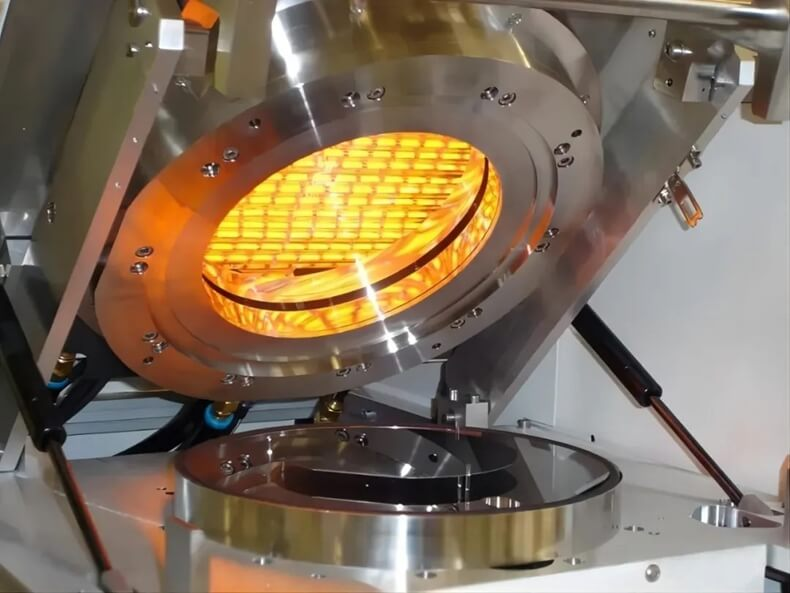
Drying out MEMS sensor wafers is a bit of a tightrope walk. You need the rinse liquid to vanish fast, but if you’re not careful, you’ll end up with water spots or—even worse—mechanical stress that ruins the whole batch. That’s why we use infrared heaters built specifically for this footprint. Instead of just heating the air, these target the wafer surface directly. It knocks out the moisture before surface tension has a chance to pull those delicate MEMS structures together and snap them. The heat side of things We push for high wattage per linear inch. Why? Because you want that wafer to hit evaporation temperature in seconds, not minutes. If the drying cycle drags on, you’re just inviting contamination to move in. But here’s the catch: high heat density is a double-edged sword. You have to be smart about how you ramp the temperature up and down. If you shock the system, those thin-film membranes on your sensors will crack. It’s all about the curve. Quartz and the “Waste” Problem To keep things stable, we house the filaments in high-purity quartz. It’s the only way to handle those wild temperature swings without the whole thing warping. We also coat the filaments. This shifts the emission spectrum so the energy actually hits the wafer instead of just warming up the chamber walls. It keeps the heat where it belongs. Plus, we use standard connectors, so when it’s time for maintenance, you can just swap them out and get back to work. No room for “Oops” In a cleanroom, a single electrical arc is a nightmare. It can wipe out an entire batch of wafers in a heartbeat. Because of that, we don’t guess. Every single heater we ship goes through 100% dielectric withstand and insulation resistance testing. We push them to their absolute voltage limits to make sure there’s zero leakage. A failure in the field just isn’t an option. One last tip: make sure your power supplies match the heater’s impedance. If they’re mismatched, you’ll either get sluggish performance or you’ll burn through your filaments way too fast.