
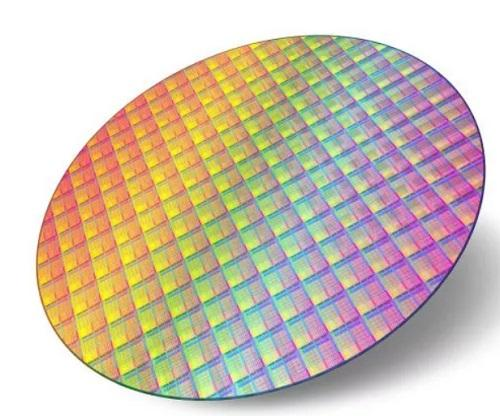
Getting Your Heat Right in the Fab
If you’ve ever dealt with wafer curing, you know the nightmare of substrate warping. It usually happens because your heat profile is just a little bit off. In a modern, data-driven fab, we can’t just “crank the heat” and hope for the best. Here is the real secret: it’s all about the reflector. That little piece of hardware decides whether your energy actually hits the wafer or just wastes away, heating up the machine chassis for no reason. Stop wasting your photons Think about a curing lamp without a reflector. It just throws energy in every direction—360 degrees of waste. We use parabolic or elliptical shapes to catch those rear-facing photons and bounce them right back where they belong. By using high-purity aluminum or gold coatings, we can push more heat onto the wafer surface without having to bump up the lamp’s wattage. It’s a win-win. You get the heat you need, and your power bill stays lower. The “Smart Fab” headache Digital production sounds great on paper, but it makes the physical setup a lot more stressful. Your reflector’s shape has to line up perfectly with where your sensors are sitting. If you’re off by even a few millimeters? You get hot spots. Those hot spots mess up your data logs and kill your batch consistency. It’s frustrating. That’s why we design these to fit into tight footprints, keeping the energy concentrated exactly where the chemistry needs it. The trade-off Now, there is a catch. More reflectivity means higher heat density. It speeds up the curing cycle—which is awesome—but it puts a lot more stress on the lamp’s quartz envelope. You have to make sure your cooling blowers are actually up to the task. If the airflow is too weak, your lamps are going to burn out way too fast. We keep our focus on the raw reflectivity and getting the focal point spot on. You get a drop-in replacement that actually stabilizes your thermal map. Just double-check that your power supply can handle that initial infrared surge, and you’re good to go.