
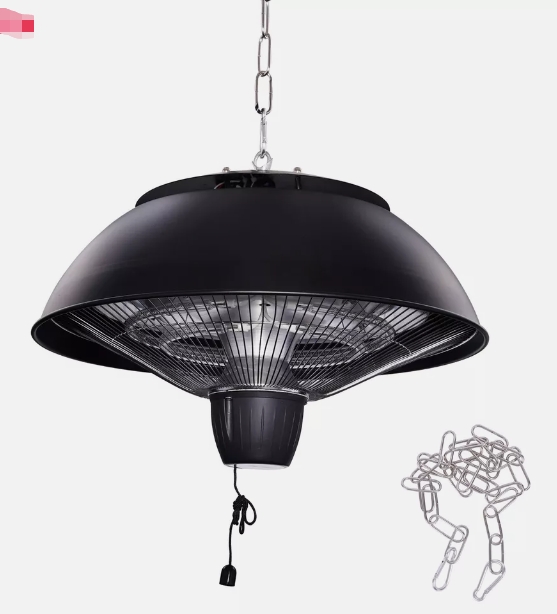
Why Pergola Heaters Short Out (and How We Fixed It)
If you’ve ever put an infrared heater in a pergola, you know it’s a brutal place for electronics. You’ve got these high-powered heating elements sitting right in the middle of rain, mist, and damp air. Most people think the heating element is what gives out first. But honestly? It’s usually the lead-wire seal. Here’s the problem: if that seal fails, moisture sneaks into the electrical connections. Once that happens, the copper oxidizes, and—pop—you’ve got a short circuit.
The struggle with “cheap” seals
A lot of entry-level heaters just use some basic silicone or glue to plug the hole where the wire enters the body. That’s a recipe for disaster. Think about it. In a pergola, your heater is constantly swinging between scorching hot and freezing cold. This “thermal cycling” makes the sealing material expand and shrink. Since the metal housing doesn’t move the same way, the seal eventually cracks. It only takes one tiny micro-gap. Water gets pulled right onto the live terminals through capillary action. It’s a nightmare. We do things differently. We use OEM-grade sealing—specifically high-temperature vulcanized (HTV) silicone and mechanical compression seals. We aren’t just “gluing” a wire in place. We’re building a physical barrier that stays flexible even at 200°C. It means the insulation doesn’t get brittle or burn out over time.
Keeping things safe as they age
When you use low-grade seals, the wire insulation starts to “age” from the heat. It hardens. It cracks. In a humid backyard, that creates a path for electricity to leak where it shouldn’t. We use materials that resist carbonization. By keeping the seal airtight, we keep oxygen away from the connection point, which stops the copper leads from rusting away. But there’s a catch. You can’t just seal everything airtight and call it a day. If you over-seal the junction box without giving the heat a way to escape, the internal wiring will actually overheat. We spent a lot of time tweaking the footprint of the seal. It blocks the water, but it still lets the chassis shed heat. That way, your heater keeps running all winter without tripping your breaker.