



Why We’re Switching to Infrared for Semiconductor Drying
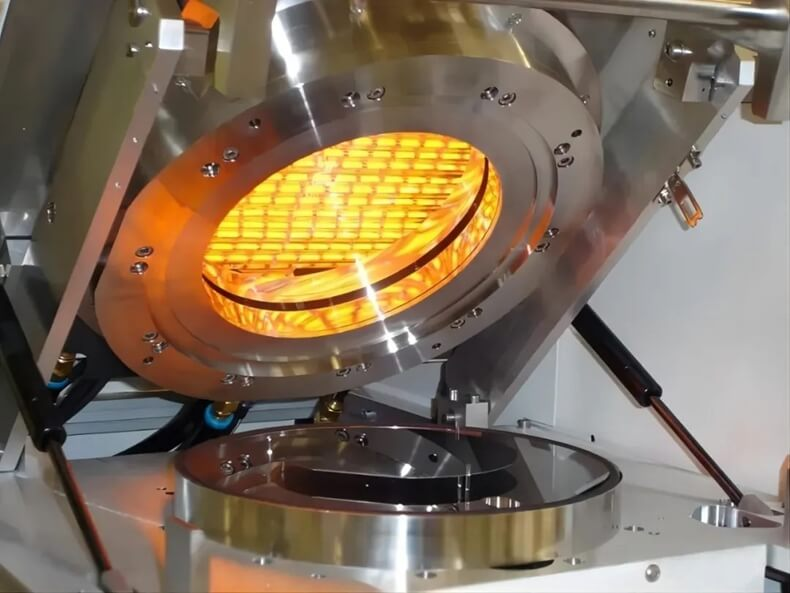
The industry is pushing hard for “green” and lead-free mandates. That’s great, but it puts a lot of pressure on how we actually dry wafers. For a long time, we’ve relied on convection ovens. The problem? They’re basically giant boxes that heat up massive amounts of air just to get some energy to a tiny wafer. It’s a total waste of power. That’s why we’ve moved to infrared (IR) curing. Instead of heating the air, IR uses electromagnetic radiation to hit the substrate directly. It’s about efficiency. Think about it: IR skips the middleman. You aren’t spending kilowatt-hours trying to warm up the machine’s chassis or the air around it. The energy goes straight from the source to the product. The result? You hit your curing temperatures in seconds. Not minutes. Seconds. It makes the whole cleanroom feel less like a sauna and keeps your energy bills from spiking. Handling the lead-free headache Here’s the thing about lead-free solders and adhesives: they’re picky. They usually need higher peak temperatures and much tighter thermal profiles than the old leaded stuff. If you use convection, you often end up overheating the entire board just to get a specific spot hot enough. It’s clumsy. With IR, we can actually tune the wavelength—choosing between shortwave or medium wave—to reach specific layers of the semiconductor package. You get the heat exactly where it needs to be without stressing the sensitive components. It’s a much gentler way to work. The catch (and how to fix it) Now, IR isn’t magic. It’s directional. If your parts have weird shapes or deep recesses, you’ll run into “shadowing.” That’s when some areas are blocked from the light and don’t get enough heat. You can’t just set it and forget it. You’ll need to spend some time dialing in your reflector angles or setting up a multi-lamp array to make sure every inch is covered evenly. The bottom line Moving to IR lets us ditch a lot of the nasty chemical solvents we used to rely on for drying. It fits right into the systems we already have, but it cleans up the process and speeds up the line. Your electricity bills go down, your environmental audits go smoothly, and the work just flows better.