

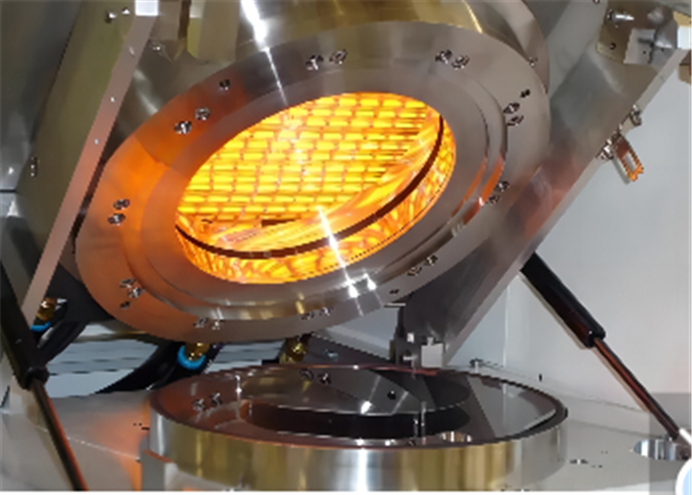
On the fab floor, a 0.5°C drift on the hotplate during photoresist bake is the kind of quiet killer that wrecks linewidth control and turns a run into scrap. You need temperature measurement that follows the setpoint—not the heater’s hot spots.
What matters, technically
We build thermocouples for semiconductor heaters to keep wafer-level thermal uniformity within ±0.1°C and repeatability that holds across lots. The sensing junction sits where the wafer actually sees the temperature, not where the heater block peaks. The assembly is built for Class 1–100 cleanrooms: it won’t create particle events, and it survives repeated thermal cycling. Output stays stable through 24/7 operation, supporting zero unplanned downtime and predictable maintenance intervals.
Why this works in lithography
In lithography tracks, the bake module has to hit soft bake and hard bake with a tight thermal budget. Our thermocouple keeps the profile tight, which cuts CD variation, improves photoresist profiles, and reduces scrap. Tighter control also shortens qualification cycles and lowers energy use by preventing overshoot. The payoff is higher yield, fewer reworks, and equipment uptime you can plan around.
What you need to get right
Installation tolerance is tight: the probe has to seat at the specified pocket depth and align to the wafer plane. Misalignment or poor thermal contact will degrade uniformity and introduce drift. The system works with most heater platforms, but retrofits often need a custom bracket and connector. Specify the heater model and your process temperature window so we match the sheath material, insulation, and calibration curve to your thermal profile.