


Stepping out of a warm shower into a cold, damp bathroom isn’t just uncomfortable—it can tighten muscles and leave you shivering for minutes. A plug-in infrared heater is the simplest fix, but only if it can handle the one environment that’s brutal on electronics: humid, steamy, and constantly cycling.
What matters, technically
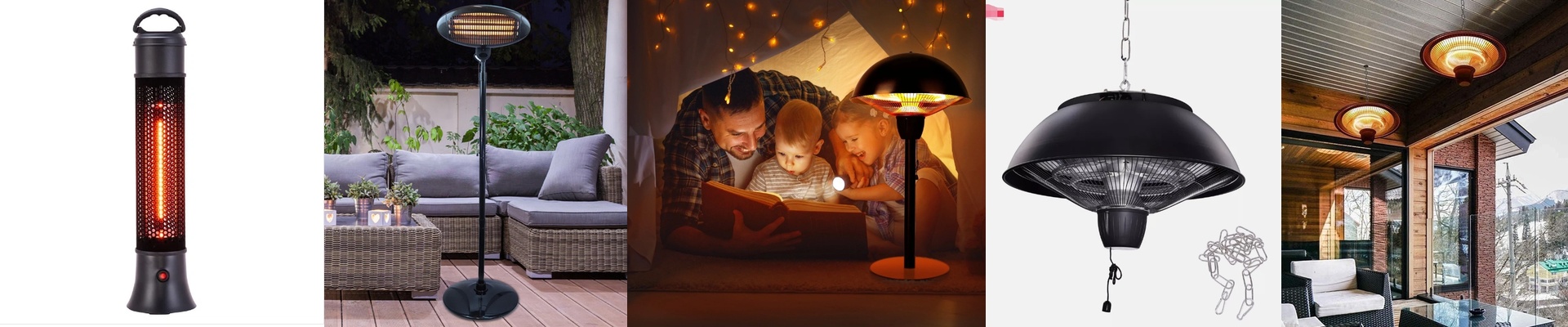
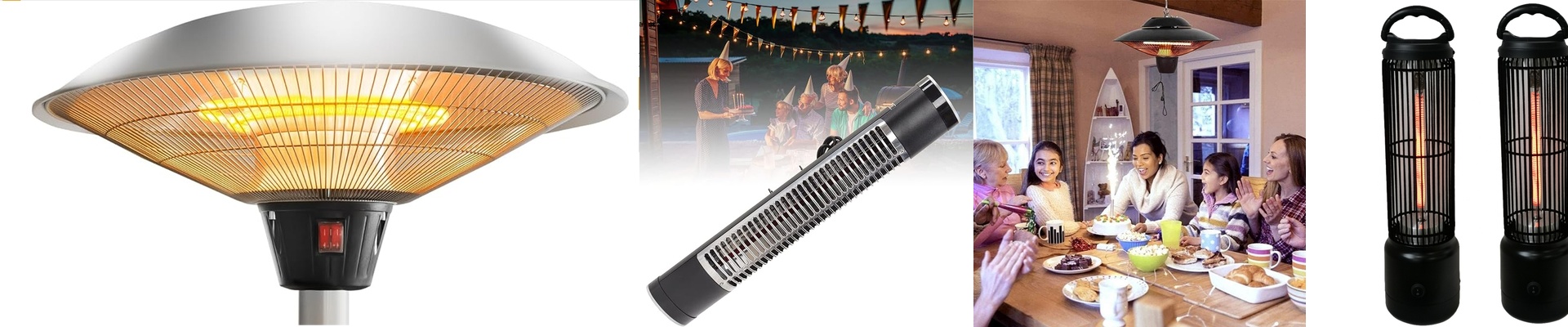
We build our bathroom infrared heaters around a quartz-tube element because it delivers radiant warmth almost instantly. You feel the heat where you need it—on your skin—not just in the air. They plug into a standard outlet, draw 1500W, and stay compact enough for tight spaces while projecting a focused warmth pattern. The design keeps the core hot while the outer housing stays noticeably cooler, and a built-in thermal cutoff adds protection against overheating.
Why it holds up in here
Bathrooms don’t just get warm—they get wet. That’s why we run every unit through rigorous湿热 environment aging tests, cycling high heat with high humidity to mimic years of steamy showers. We’ve seen units complete 5,000+ hours with less than 5% output drop, and we keep testing until the internal connections, seals, and materials stay stable. For you, that means dependable comfort: quicker warm-up, fewer drafty mornings, and a heater that keeps working season after season instead of quitting when you need it most.
The practical details
Infrared heat is directional, so placement matters. Mount or position the heater to shine on the spot where you step out, and keep it a safe distance from shower spray. These units are plug-in, but they draw full power. Use a dedicated outlet and skip the extension cord. Also, even though the exterior stays cooler than the core, the element still gets hot. Give the unit airflow and follow the clearance guidance in the manual.