

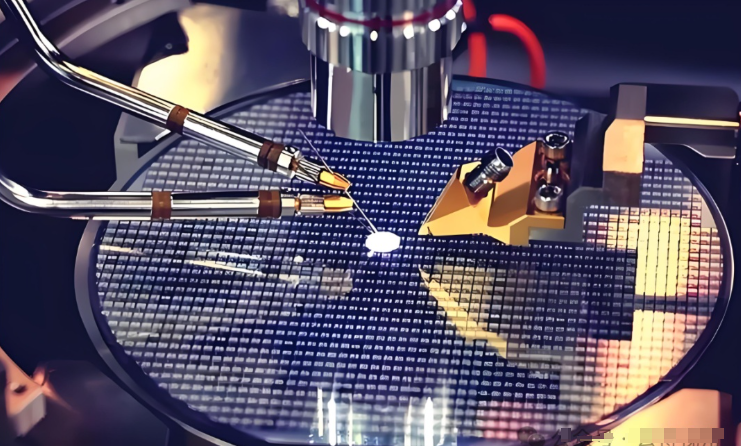
On the fab floor, the bake steps are where the thermal budget for linewidth control gets set. A 2°C drift in soft bake or hard bake will shift CD bias and start to bring scumming in. We built a carbon nanotube fabrication heater to take that variability out. What matters, technically Across the chuck, you get wafer-level thermal uniformity of ±0.1°C, with setpoint repeatability within ±0.2°C. The carbon nanotube element responds fast and stays stable, and the quartz-free design keeps particle generation down. It runs in Class 1–100 cleanrooms, with no outgassing into the process chamber and no hot spots that can print into the resist. Ramp control keeps the thermal profile matched to the resist chemistry, not chasing the heater’s overshoot. Why it works in lithography In lithography, soft bake temperature stability drives solvent removal and film stress. Hard bake stability sets adhesion and etch resistance. With this heater, CD excursions shrink, rework drops, and the line settles. It runs 24/7 with predictable maintenance intervals, so unplanned downtime falls. Energy use is lower, too, because the element heats efficiently and holds temperature without cycling. The details you need The heater needs a dedicated, filtered power supply and proper thermal anchoring to the chuck—mismatched interfaces will cost you uniformity. Plan a short commissioning run to tune ramp rates to your specific resist stack. Once you align it, the process window opens up, and the thermal signature stays repeatable lot-to-lot.