


Why We Test Every Single Light Tube (And Why You Should Care)
In a semiconductor fab, there’s no such thing as a “small” electrical glitch. One tiny arc or a bit of insulation giving out in a lighting tube isn’t just a nuisance—it can trash a whole batch of wafers or trip a breaker that shuts down half the facility. That’s a nightmare nobody wants to deal with. That’s why we don’t gamble. Every single tube we make goes through high-voltage and insulation testing before it even thinks about leaving our shop.
How we actually do it
We aren’t fans of “batch sampling.” Checking one out of every fifty tubes is just guessing. Instead, we run a Hipot test on every unit. Basically, we hit the insulation with a voltage way higher than what it’ll see in your fab. If there’s a thin spot or some contamination in the dielectric layer, the current spikes. We see it instantly, and that tube is gone. Then there’s the insulation resistance. We measure this in Megaohms (MΩ) to make sure the barrier between the live parts and the grounded chassis is rock solid. We need to know the current is staying exactly where it belongs. If a tube doesn’t hit our MΩ mark? It gets scrapped. No second chances.
The reality of fab upgrades
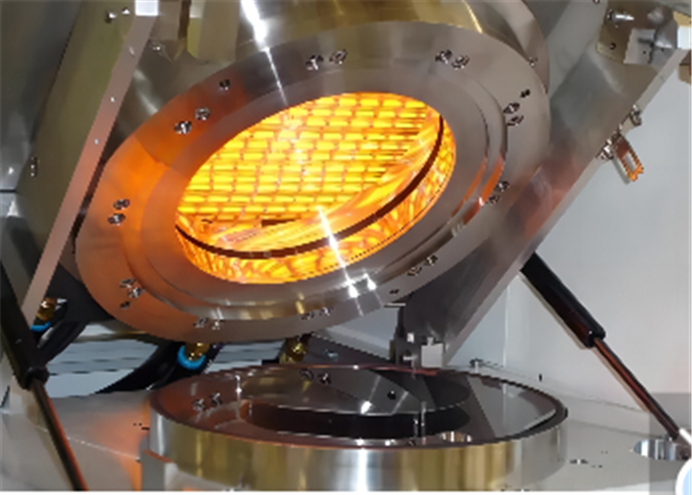
If you’ve spent any time on a fab floor, you know how cramped it is. Everything is packed tight. You’ve got high heat and sensitive electronics sitting inches away from each other. A microscopic pinhole in a coating or a sloppy seal on an end-cap can leak current right into the equipment frame. You don’t want to be the person who installed a replacement lamp that blows a fuse or creates EMI interference across your line. We verify the insulation on every piece so you can just drop them in and get back to work.
The honest trade-off
Here’s the catch: this kind of strict testing takes time. It’s a lot more work for our team to run every single tube through a calibrated tester than it is to just spot-check a pallet and ship it. It might add a few days to your lead time. But look at it this way: a few extra days of QC is nothing compared to the cost of a failed lamp in a live fab. Downtime is expensive. Peace of mind is worth the wait.