
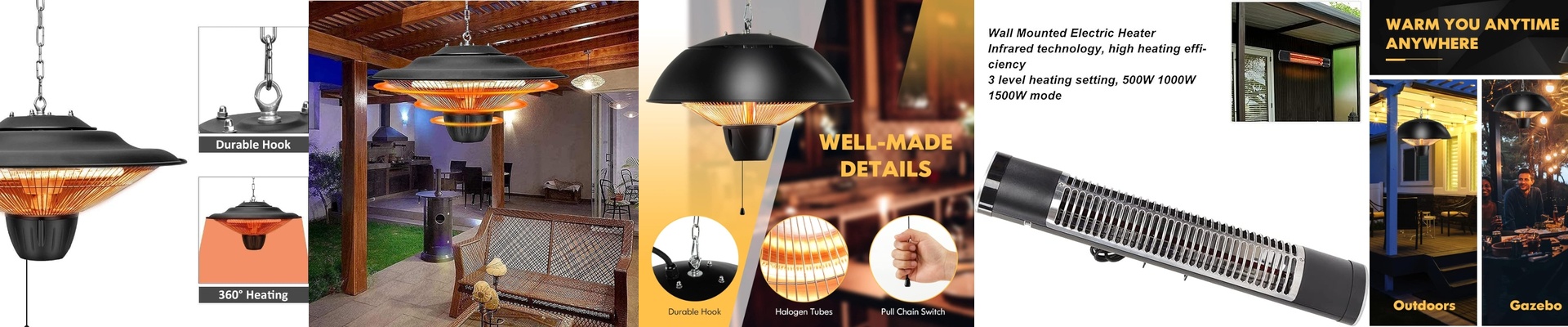

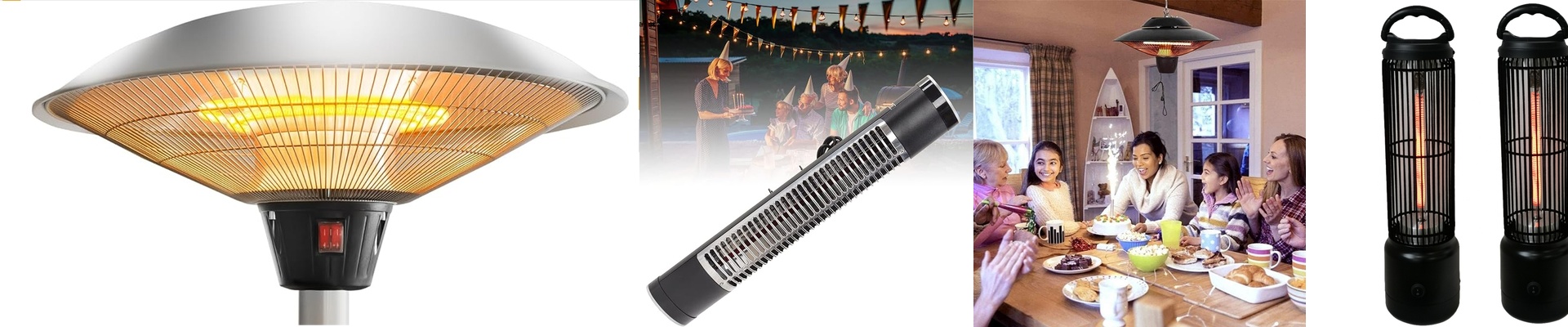


Wall-Mounted Electric Heaters: The Space-Savers That Deliver Predictable Heat
We built these wall-mounted electric heaters for the real-world industrial problems where space is tight and you need heat you can count on. Think of them as compact, direct-radiant workhorses—designed to slip into machines or plant setups without forcing you to redesign the entire heating setup.
Power, Voltage, and Size—Kept Simple
These heaters are all about matching wattage to the job and making the electrical side easy. You’ve got options in the 2500W to 3000W range, with 230V or 400V choices. Go for 400V and you get lower current draw, which means smaller wiring and contactors—especially helpful when the run is long. The tube is typically around 300mm, so you get a tight, focused heating footprint you can aim with precision. Match the wattage to the material and the distance to the work, and you’re golden. Get that wrong, and you’ll end up heating everything around the part instead of the part itself.
Built to Perform—Elements, Coating, and Connections
The halogen elements are why these heaters feel so steady. The filament runs inside a halogen gas fill, which cuts down on blackening and keeps output consistent over time. The quartz tube handles the heat, and a reflective coating pushes more energy forward—less waste sideways. For mounting, the R7s base is straightforward and rugged. It makes solid contact and swapping out a heater is simple. If you’re dealing with vibration and want a lock-in that won’t quit, Sk15 connectors keep things firmly seated.
Why Wall Mounting Makes Sense
Mount these on the wall and you free up floor space—without losing control over the heating. You keep a fixed focal distance to the target, which means repeatable results. High wattage, a short tube, and that reflective coating give you serious heat density in a small footprint. That’s perfect for spot heating, preheating molds, or holding process temperatures on moving lines. But here’s the catch: high power density needs proper cooling and the right heat shielding. Plan for the thermal load, and get your airflow and guarding sorted early. That way, the heater does its job cleanly—and your workspace stays safe.