


Cutting Carbon in the Fab: Why IR Heating Just Makes Sense
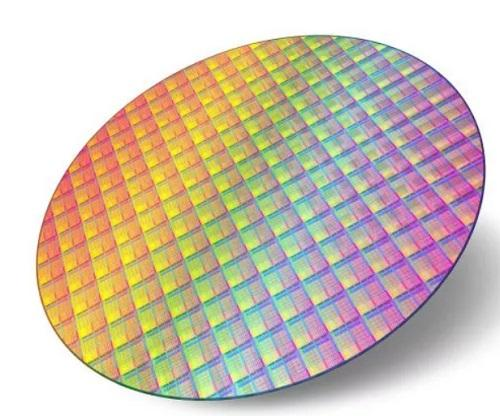
If you’ve spent any time in a cleanroom, you know the struggle. You need pinpoint temperature control, but you can’t have a single speck of dust ruining a batch. Most people default to traditional heating, but that’s basically like heating your entire house just to warm up a single slice of pizza. It’s a waste. That’s why we use infrared (IR) lamps. Instead of trying to heat up massive volumes of air, IR sends energy straight to the target via radiation. It’s a total shift in how we think about heat, and it’s where the real carbon savings happen. Stop wasting power on empty air Traditional ovens are energy hogs because they heat everything—the walls, the air, the chassis—before the wafer even feels a thing. Our IR systems don’t bother with that. They hit the wafer or substrate directly. Because the energy is focused, you’re using way fewer kilowatt-hours per wafer. Plus, these systems ramp up fast. Really fast. Shorter heating cycles mean your process windows shrink and your energy overhead drops. It just feels more efficient because it is. The nitty-gritty of cleanroom life Contamination is the nightmare we’re all trying to avoid. To keep things pristine, we use high-purity quartz envelopes. No outgassing, no surprises. And since we don’t need fans or forced air to move heat around, there’s nothing to kick up particulates. But a quick heads-up if you’re installing these: watch your power supply. High-wattage IR lamps pull a lot of current. If you’re retrofitting an old line, double-check your panels so you aren’t tripping breakers mid-shift. Also, keep an eye on the heat soak. If your shielding isn’t tight, that heat can creep back into the chassis and mess with your sensor readings. It’s a small detail, but it’s the kind of thing that can drive an engineer crazy. Actually hitting those “Green” goals We talk a lot about “green factories,” but usually, that just means fancy reports. Switching to IR actually moves the needle. You aren’t idling a massive furnace for hours just to stay warm. You get heat on demand. That means a smaller equipment footprint and a much lighter load on your HVAC system. When you look at the energy-to-product ratio, it’s a pretty straight line to hitting those carbon neutrality targets without sacrificing your output.